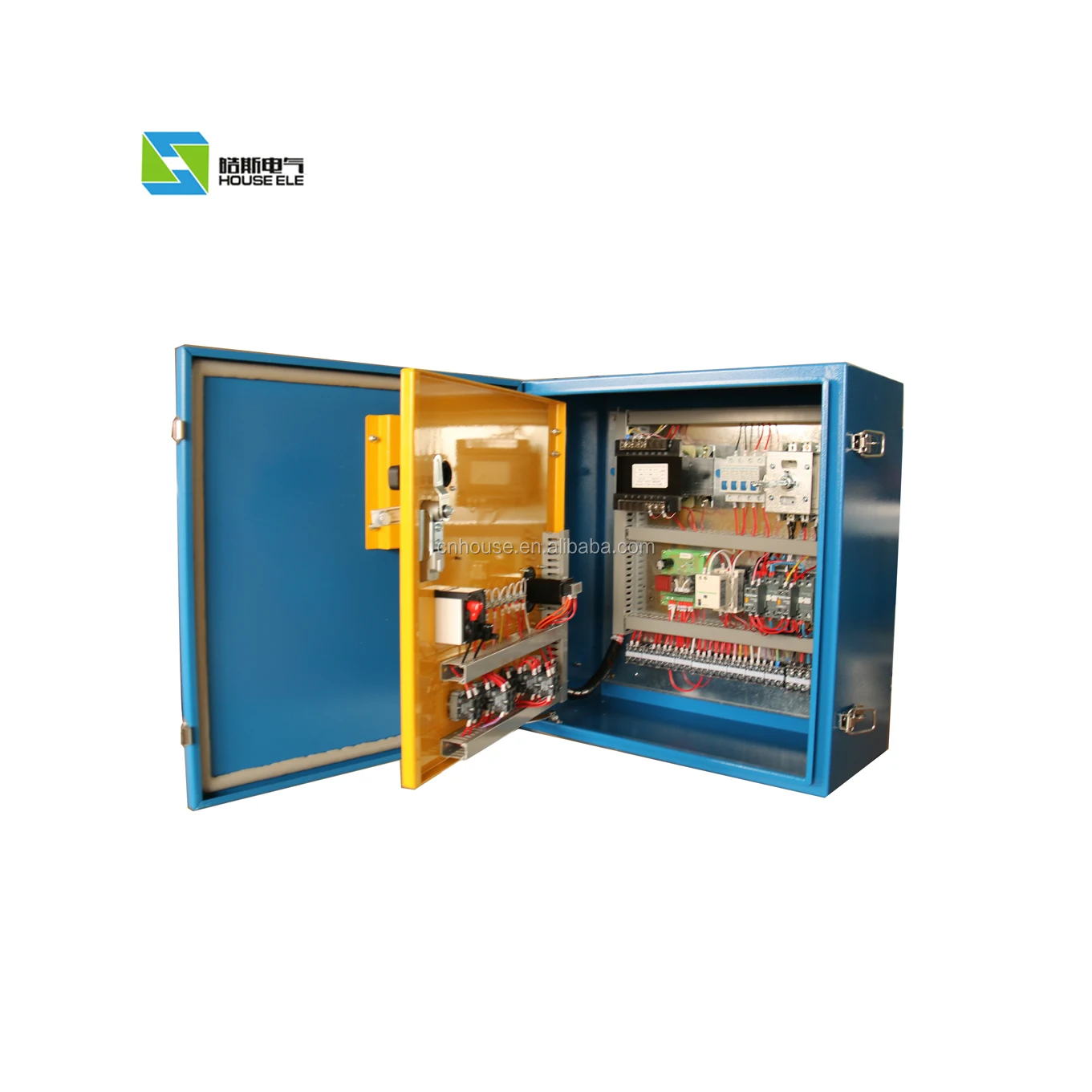
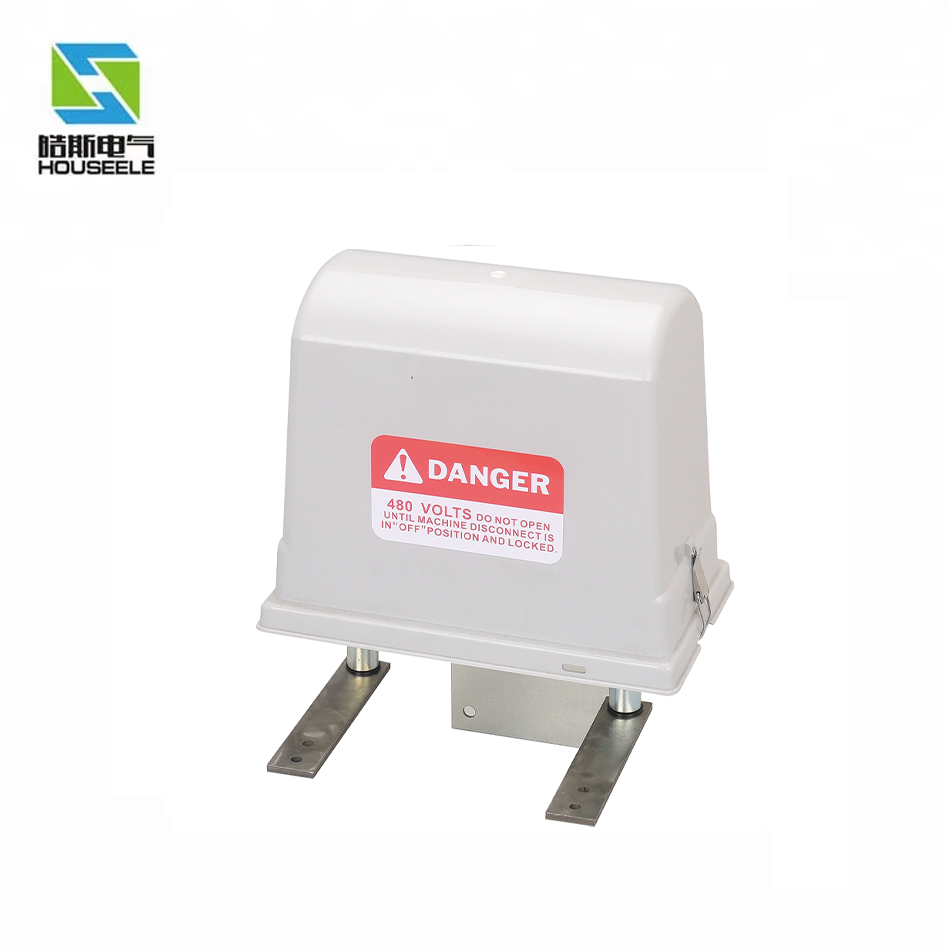
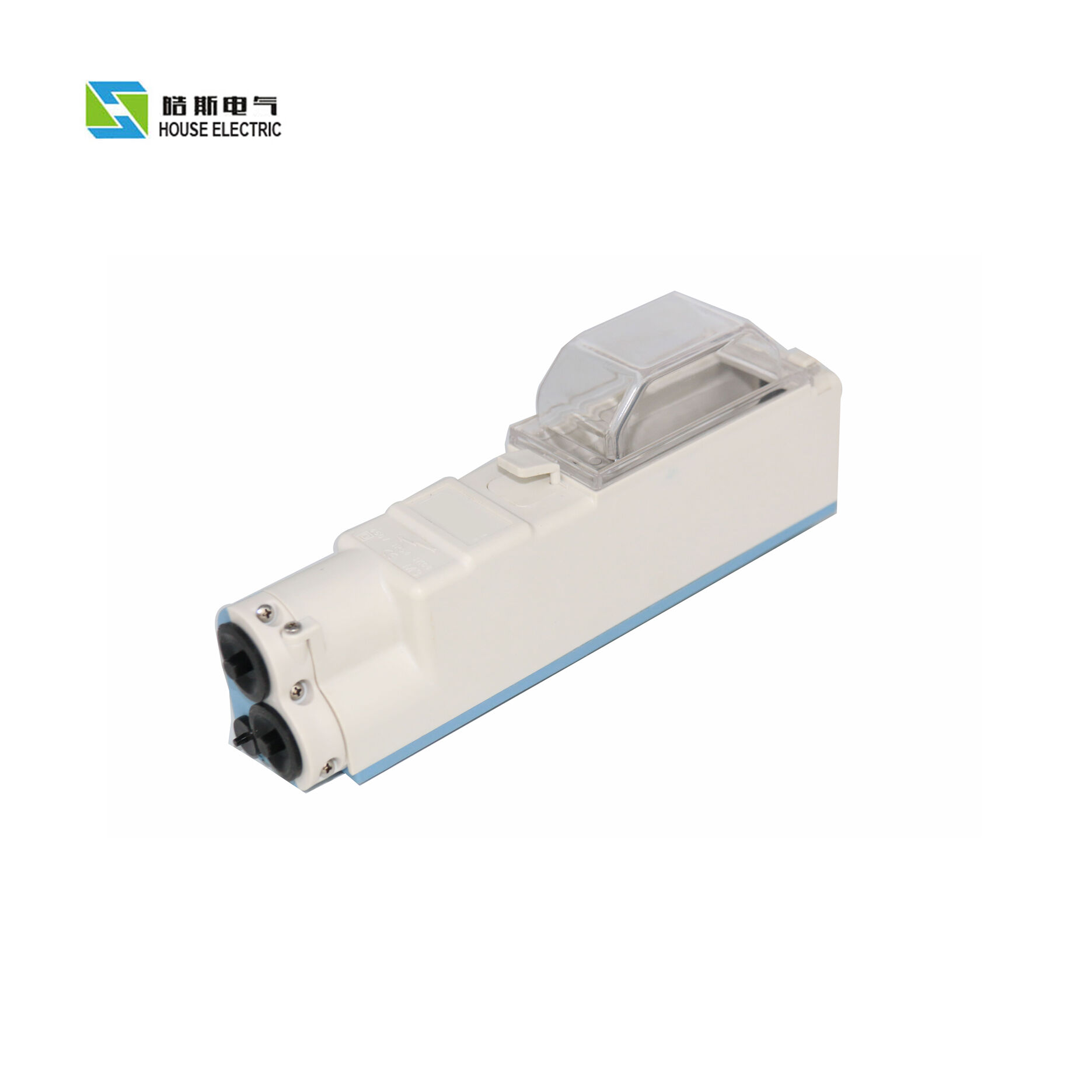
Connection boxes for street lights have to deal with some pretty harsh stuff out there. Think about all that heavy rain, road salt corrosion, flying dirt and debris, plus temperatures swinging wildly between -30°C and 50°C. That's why these boxes need at least an IP67 rating. What does that mean? Well, basically it means they're completely protected against dust and can handle being submerged in water up to 1 meter deep for half an hour without damage. Getting this kind of protection is absolutely necessary if we want our street lights to keep working properly no matter what Mother Nature throws at them.
| Rating | Dust Protection | Water Protection | Street Lighting Suitability |
|---|---|---|---|
| IP54 | Partial | Splashes | Inadequate for flood zones |
| IP65 | Full | Low-pressure jets | Risky in heavy storms |
| IP67 | Full | Temporary immersion | Optimal for most installations |
| IP68 | Full | Continuous immersion | Over-engineered for typical roads |
Municipalities using IP67-certified boxes report 60% fewer weather-related outages than those with IP65 models. This level of reliability isn’t a luxury—it’s critical for public safety and long-term infrastructure resilience.
Getting genuine IP67 certification means meeting strict global standards that many manufacturers overlook. The IEC 60529 standard demands devices can survive being submerged in water for half an hour at one meter deep while keeping out all dust particles. Over in North America, UL 50E has similar water and dust protection requirements but also throws in additional tests for how products handle sudden temperature changes and exposure to ultraviolet light. European regulations through EN 60529 go even further by requiring equipment to withstand vibrations during testing. When it comes to actual certification, every component counts including those cable glands, sealing mechanisms, and connections between different parts of the housing. These need proper testing under conditions that mimic what happens in the field. Just because one sample passes doesn't mean mass production will maintain quality either. Regular factory inspections throughout manufacturing remain essential if companies want their products to reliably meet these demanding specifications over time.
Be cautious of certifications missing key elements:
Some manufacturers self-certify using non-calibrated in-house setups, bypassing IEC 60529 §14.2.3 requirements. Always request original test reports with sequential serial numbers of tested units. For high-stakes installations, use moisture-indicator cards inside enclosures to confirm long-term integrity.
IP67 performance hinges on precise sealing. Silicone or EPDM gaskets deliver superior weather resistance when uniformly compressed. Critical factors include:
Consistent torque application prevents leaks and extends service life, especially in fluctuating climates.
Choosing the right housing material impacts durability and maintenance:
| Characteristic | Die-Cast Aluminum | UV-Stabilized Polycarbonate |
|---|---|---|
| Corrosion Resistance | Requires powder coating | Inherently corrosion-proof |
| Thermal Management | Superior heat dissipation (≈15°C reduction) | Requires passive cooling design |
| Impact Strength | 8–10 Joules (IK09 rated) | 4–6 Joules (IK07 rated) |
| UV Degradation | None when coated | 0.02% annual discoloration with stabilizers |
Aluminum is ideal for coastal or high-vibration areas, while polycarbonate offers 40% weight savings and easier installation. Both must pass salt spray testing per IEC 60068-2-52 for deployments within 500 meters of shorelines.
Modular junction boxes make expanding networks much easier thanks to their removable terminal blocks and separate wiring compartments. The built-in IP67 rated cable glands really help out during maintenance work since they hold cables securely in place and stop them from getting pulled loose accidentally. We've seen field tests where pre-marked terminals combined with standard connection points cut down on mistakes during installations by around a third when compared against older style boxes. What's interesting is how these designs actually fit into smart city projects through special sensor connections, which keeps all those wires inside neat and easy to reach for technicians working on the system later on.
Built to handle harsh conditions, these enclosures can take temperature fluctuations well beyond what most equipment sees regularly. The special mounts that absorb vibrations help cut down on wear and tear problems around town, according to reports from city maintenance crews. Aluminum models cast in dies work great when heat dissipation matters most, whereas those made from reinforced plastic stand up better against salty air near the coast. Plus they have this sleek look that doesn't draw attention, plus those tricky screws nobody wants to mess with if they're trying to get inside without permission.
These enclosures integrate thermally conductive barriers and heat sinks to draw heat away from LED drivers without compromising waterproofing. Passive cooling channels maintain IP67 integrity while reducing driver failure rates by 28%. Standardized mounting points accommodate various driver types, and segregated compartments prevent electromagnetic interference between high-voltage and control circuits.
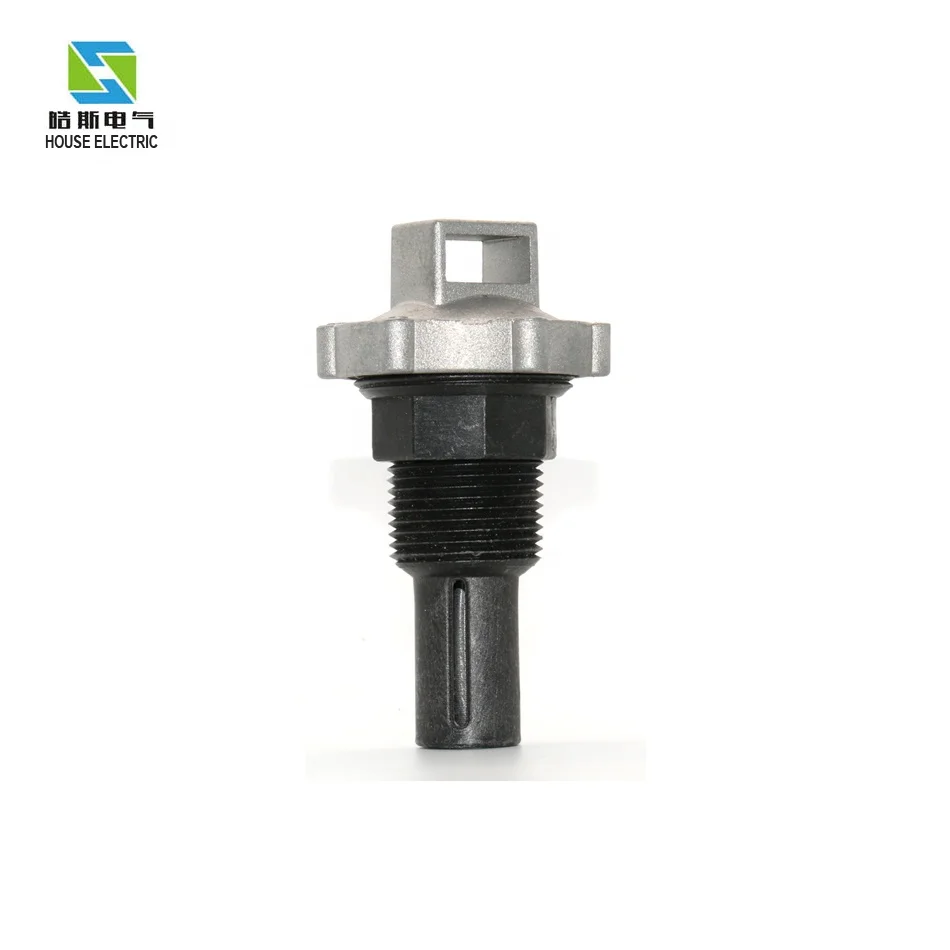
When installing cable glands, always go for IP67 ratings and make sure they fit the cable size and jacket material exactly. Getting this wrong leads to either gaps forming or the gland squeezing too hard on the cable. For sealing against harsh conditions, EPDM or silicone gaskets work best since they can handle extreme temperatures ranging between minus 40 degrees Celsius all the way up to 120 degrees. Follow what the manufacturer says about tightening force usually around 15 to 20 Newton meters for M20 glands but do it with proper tools that measure correctly. Too much pressure will actually ruin the seal integrity while not enough leaves room for water ingress. Don't forget about how materials change over time either. Plastic parts get brittle after being exposed to sunlight for years, and rubber seals break down from repeated heating and cooling cycles. That's why regular maintenance matters so much especially near coastlines where salt air accelerates degradation or in industrial zones with lots of pollutants floating around. A good rule of thumb is to check and replace seals at least once every year in these environments.
Perform quarterly inspections using non-destructive methods:
Record baseline results during commissioning. Replace components showing >15% compression loss or permanent deformation to maintain long-term protection.
An IP67 rating ensures that the connection boxes are completely protected against dust and can withstand temporary immersion in water, making them ideal for harsh outdoor conditions faced by street lighting systems.
Lower-rated enclosures like IP65 resist water jets but not submersion, making them vulnerable during flash floods and increasing the risk of electrical failures and maintenance costs.
Municipalities should check for accredited lab logos, details of test duration and submersion depth, and request original test reports with serial numbers to ensure genuine IP67 certification.
Die-cast aluminum is suitable for coastal or high-vibration areas, while UV-stabilized polycarbonate offers weight savings and maintenance ease, both requiring protection against corrosion and UV degradation.
 Hot News
2026-06-04
2026-01-22
2025-04-07
2025-05-20
2025-04-30

Copyright © 2025 by Yueqing House Electric Co.,Ltd - Privacy policy
 EN
EN