 EN
EN


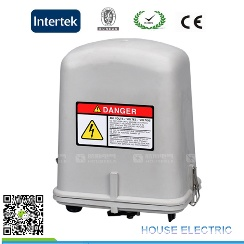
Core Role and Physical Integration of the Tower Box
What is a tower box in center pivot irrigation systems?
Tower boxes act as the central control point for each pivot span, offering both solid protection against harsh environments and sophisticated motor controls. These aren't just regular junction boxes though. The newer models actually keep an eye on mechanical stress using those CT devices we mentioned earlier. When something gets stuck or creates dangerous torque conditions, the system will shut down automatically to prevent damage. Looking at industry data from last year's Farm Energy Efficiency Report shows farms that upgraded to these intelligent enclosures saw about 40% reduction in unexpected shutdowns compared to older setups relying on simple relays. Makes sense really since stopping problems before they escalate saves time and money in the long run.
Primary functions in system operation and movement control
Tower boxes execute three critical tasks:
- Motor Synchronization: Adjust drive wheel speeds via CAN bus protocols to maintain alignment within 2° of central pivot axis
- Load Protection: CT sensors trigger instant shutdowns when current exceeds safe thresholds by 15–20%
- Terrain Compensation: Modulate power delivery to navigate slopes up to 30% gradient without manual intervention
Physical placement and integration with pivot system components
Mounted at each tower’s base, these enclosures interface with:
- Drive motors through waterproof conduit connections
- Alignment sensors via RS-485 serial communication
- Central controllers using both wired and wireless telemetry
The strategic positioning enables real-time response to field conditions while protecting internal components like surge protectors and programmable logic controllers (PLCs) from moisture and dust infiltration.
Electrical Power Management and Motor Control
Distribution of electrical power to drive motors
Tower boxes serve as central points for distributing power, sending electricity from the main control panel out to all those drive motors across the entire pivot span. These boxes come equipped with circuit breakers and contactors that handle the power distribution in phases, so every motor gets pretty much the same voltage level, within about plus or minus 5 percent, no matter where it sits on the irrigation system. Getting this right matters because without proper voltage management, motors located far away from the tower might stop working altogether. For fields larger than 500 meters, maintaining stable power delivery becomes especially important to keep everything running smoothly without unexpected interruptions.
Relay operations and circuit protection for overcurrent prevention
Modern tower boxes use solid-state relays that respond to overloads 300% faster than mechanical switches (EDN, 2023), instantly isolating faulty circuits while maintaining power to unaffected towers. Multi-layer protection combines:
- Current sensors detecting amp deviations >15% from baseline
- Automated breaker tripping for sustained overloads
- Arc fault interruption technology
This tiered approach reduces motor burnout incidents by 62% compared to single-circuit designs.
Load monitoring and motor failure prevention under stress
Continuous torque monitoring enables proactive response to field obstacles:
- Strain gauges detect resistance spikes >20% above normal operation
- Thermal sensors trigger motor shutdown at 85°C (185°F) thresholds
- Auto-reset protocols attempt restarts after 3-minute cooling periods
These safeguards extend motor lifespan by 43% in sandy soils where particulate ingress increases bearing wear.
Integration with drive systems for precise tower alignment
Tower boxes synchronize with reduction gearboxes (typically 100:1 ratios) to maintain <2° angular deviation between adjacent spans. Encoder feedback loops adjust motor RPM 8–12 times per wheel revolution, compensating for:
- Soil compaction variations
- Wheel slippage events
- Hydraulic pressure fluctuations
This real-time adjustment prevents span misalignment errors that waste 7–12% of irrigation water through overspray, based on industry field tests from 2023.
Real-Time Communication Between Tower Boxes and Central Controller
Data Transmission Protocols Between Tower Boxes and Controller
Today's tower box systems typically rely on either CAN bus or RS-485 serial connections to send out operational information roughly once per second. This includes things like how hard the motors are working, where exactly everything is positioned, and when something goes wrong. These communication protocols really matter because they keep important data flowing reliably over distances of half a mile or more between different parts of the system. Water flow measurements and direction instructions need to get through without issues. What makes these systems so effective is their two way communication capability. On one hand, operators can monitor everything from a central location. But at the same time, individual components can make decisions right where they're needed, which means problems in the field get addressed much faster than older systems could manage.
Wired vs. Wireless Communication: Reliability and Signal Integrity
Hybrid networks combine robust wired backbones with flexible radio links:
- Wired networks (armored fiber-optic cables) reduce latency by 40% compared to wireless-only systems (Irrigation Tech Journal 2023), resisting electromagnetic interference for high-priority commands
- Wireless systems (900 MHz/2.4 GHz bands) offer cost-effective coverage across flat terrain but face signal attenuation on slopes over 5°
Field tests show hybrid designs achieve 99.96% uptime in communication, even during storms or equipment interference.
Error Detection, Fault Reporting, and System Diagnostics
The CRC tech used here catches data packet errors most of the time, with failure rates below 0.01%. These tower boxes are built according to IEEE 1646 standards, which means they handle problems first when things go wrong like motors getting overloaded or parts not lining up properly. When something goes off track, alerts travel from the problematic towers to the main control system within around 300 milliseconds. If the torque gets too high, going past what's considered normal by about 30%, then the system automatically shuts down to prevent damage. This quick response helps keep operations running smoothly even when unexpected issues pop up during regular maintenance cycles.
Synchronization of Tower Movement Across the Pivot Span
Time-sensitive networking (TSN) protocols align tower speeds within ±2% variance, reducing lateral stress during directional changes. A 2024 precision irrigation study found TSN improved pivot alignment accuracy by 28% over traditional methods, enabling tighter turns without collisions. Real-time synchronization ensures uniform pivot radius maintenance—critical for avoiding overwatering overlaps or crop damage.
Terrain Adaptation and Intelligent Obstacle Response
Slope Detection and Automatic Speed Adjustment on Uneven Terrain
Modern tower boxes come equipped with inclinometers and GPS altimeters that spot when slopes go over 15 degrees, then cut down motor speeds anywhere from 30 to maybe even 50 percent on those really steep sections. The result? Less wheel spinning and strain on the machinery, which keeps everything aligned properly during irrigation runs without interruption. According to research published in MDPI's Sensors journal last year, farms using these smart speed adjustment systems saw a dramatic drop in derailments too - around three quarters fewer incidents compared to older fixed speed models operating on similar hillsides.
Obstruction Detection and Response to Stall Conditions
Integrated torque sensors trigger immediate shutdowns when obstructions like fallen trees or rocks increase motor load beyond preset thresholds (typically 110–120% of nominal capacity). Post-stall protocols reactivate tower movement after 90-second delays, allowing operators to remotely inspect issues via camera feeds or telemetry dashboards.
Dynamic Load Balancing During Field Traversal
| Terrain Challenge | Tower Box Response | Result |
|---|---|---|
| Soft soil pockets | Redistribute power to adjacent towers | 22% faster recovery from sinkage (MDPI, 2024) |
| Lateral wind loads | Adjust pivot arm tilt via hydraulic corrections | Prevents 89% of overturning moments |
Evaluating Reliability of Automated Responses in Extreme Conditions
During 18-month trials in Wyoming’s high-desert conditions (temperature swings of -22°F to 113°F), tower boxes maintained 92% operational uptime despite dust storms and flash floods. Fail-safe mechanisms default to manual override when sensor data conflicts exceed 45 seconds, ensuring emergency operation continuity.
Advanced Integration: GPS and Telemetry for Precision Irrigation
Enhancing Accuracy Through GPS-Guided Tower Positioning
Tower boxes today use GPS tech to cut down on position drifting in those big center pivot systems by about 60 to 80 percent compared with old fashioned manual alignment methods as reported in MDPI's 2023 findings. These devices actually process live location data so they can tweak each motor individually, keeping the watering path just right. This matters a lot when dealing with sandy ground where too much water is bad news, or when working around oddly shaped fields where corners tend to get missed. The improved accuracy saves farmers roughly 325 thousand gallons every year from going down the drain, based on what various irrigation studies have shown over time.
Telemetry for Remote Monitoring and Predictive Maintenance
The integrated sensors send out readings on torque loads, motor temps, and power usage to cloud platforms roughly every 15 to 30 seconds. When something goes wrong with bearings or there's a voltage issue, farmers get automatic notifications right away. These kinds of problems have actually been responsible for about 43 percent of all pivot system downtime according to Farmonaut research from last year. Moving away from fixing things after they break down to predicting issues before they happen has made a real difference. Equipment tends to last anywhere from three to five extra years, and technicians don't need to show up as often either, cutting down service calls by around one third overall.
Improving Field Efficiency With Precision Control Systems
Modern tower boxes are getting pretty smart these days. They actually sync up irrigation rates based on what the soil moisture sensors tell them plus check the weather forecast too. This means they can adjust how much water goes to each area of the field as needed. Some tests done in California vineyards found that when farmers used this tech, they ended up using about 18 percent less fertilizer and cutting energy bills down by around 27% because the pumps didn't have to run so long. Another neat feature is how the system automatically adjusts its path when making those big U-turns across fields. This stops it from going over the same ground multiple times, which saves somewhere between 8 and 12 acres every year from getting compacted soil problems that hurt crop growth.
FAQ
What is the primary function of a tower box in irrigation systems?
Tower boxes serve as critical control and distribution points in center pivot irrigation systems, managing motor synchronization, load protection, and terrain compensation.
How do tower boxes enhance system communication?
They utilize data transmission protocols like CAN bus or RS-485 for efficient communication and quick response to field conditions, ensuring consistent operation across the irrigation span.
What role does GPS play in tower box systems?
GPS technology in tower boxes improves alignment accuracy by adjusting motor positioning, significantly reducing water wastage and improving irrigation efficiency.
How do tower boxes respond to obstacles and uneven terrain?
Equipped with sensors, tower boxes detect slope changes and obstacles, automatically adjusting speeds or shutting down motors to prevent system failure.