 EN
EN


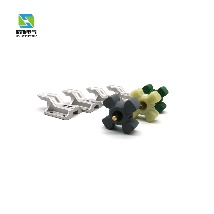
Understanding the Role of a Coupler in Irrigation Systems
What Is a Coupler and Why It Matters for Irrigation Pipe Sizes
Couplers serve as essential connectors between irrigation pipes, whether they match up in size or not, keeping water flowing smoothly through the system. When putting together new installations, fixing existing setups, or expanding current ones, these fittings bridge gaps where pipe lengths don't quite fit and help navigate those tricky corners and bends. Getting the right type of coupler matters a lot because improper connections lead to problems down the line. According to research published in Agricultural Water Management last year, about two thirds of all minor irrigation leaks actually come from badly matched fittings. Most common pipe sizes run anywhere from three quarters of an inch up to two inches across both drip lines and sprinkler systems. Good quality couplers hold everything together structurally even as temperatures fluctuate and ground shifts happen over time.
Common Challenges in Connecting Pipes of Different Diameters
When pipes don't match up properly, all sorts of problems pop up. Flow gets restricted at those transition points, pressure ends up distributed unevenly which wears things out faster, and sediment just loves collecting at those sudden junctions where everything changes size. Take a look at some recent data from 2023 looking at 540 different farm irrigation setups across the country. About 41 percent of all those connector failures happened specifically when folks tried to connect standard 1 inch polyethylene tubing directly to three quarter inch PVC lines without using any kind of proper transition fitting between them. And it doesn't stop there either. Over time, debris builds up inside these mismatched connections while sunlight breaks down plastic components that are already stressed beyond their limits. These issues really hammer away at how well the whole system works, so getting the right pipe sizes and making sure materials actually work together isn't just good practice anymore it's practically essential for keeping water moving efficiently through agricultural operations.
Measuring and Matching Coupler Size to Irrigation Pipe Diameter
How to Measure Irrigation Pipe Sizes (3/4 Inch, 1 Inch, etc.) for Proper Coupler Fit
Getting accurate measurements is key to making sure there are no leaks at all. When working with rigid PVC or metal pipes, grab some calipers and check the outer diameter while looking at the nominal pipe size printed right on the pipe itself. Flexible polyethylene tubing requires a different approach though. Just wrap a flexible tape around it to get the inner diameter measurement. Something worth remembering here is that what's written on the side doesn't always match reality exactly. Take a standard 3/4 inch PVC pipe for instance it usually measures closer to 1.05 inches when measured properly. Before finalizing anything, cross reference these numbers with what the manufacturer actually states in their specs sheets. This extra step can save a lot of headaches down the road when parts just don't fit together as expected.
Standard Pipe Size Compatibility and Common Mismatches
Standard couplers are designed for specific sizes, but frequent mismatches cause system failures:
- Using 3/4-inch couplers with 1-inch pipes (32% of leaks in a 2023 irrigation study)
- Connecting metric-sized tubing to imperial couplers
- Mixing Schedule 40 and Schedule 80 PVC fittings
The Importance of Precise Diameter Matching in Preventing Leaks
A 1/8-inch discrepancy between pipe and coupler can increase leakage risk by 70% in pressurized systems. Joints at elbows and T-fittings require tolerances under 0.005 inches due to turbulent flow conditions.
Case Study: Drip Irrigation System Failure Due to Incorrect Coupler Sizing
A Nebraska farm lost 18 acres of crops in 2023 after using 17mm couplers with 5/8-inch (15.875mm) drip lines. The 1.125mm gap allowed sediment ingress, clogging 43% of emitters within six weeks. This $29,000 failure highlights the necessity of exact dimensional matching, as detailed in the 2025 drip irrigation failure analysis.
| Nominal Pipe Size | Actual OD | Mismatched Coupler Size | Resulting Gap |
|---|---|---|---|
| 3/4-inch PVC | 1.050 inches | 1-inch | 0.049 inches |
| 1/2-inch PE | 0.710 inches | 3/4-inch | 0.115 inches |
| 25mm HDPE | 1.181 inches | 1-inch | 0.181 inches |
For systems operating above 50 PSI, always confirm compatibility using agricultural irrigation guidelines.
Types of Couplers and Adapters for Connecting Different Irrigation Pipe Sizes
Barbed vs. Compression Couplers for Flexible Tubing
Barbed couplers have those ridged connectors that grab onto flexible tubing materials such as polyethylene or PVC. They need hose clamps to keep everything sealed properly, which makes them good choices for low pressure drip systems where things don't get too intense. Compression fittings work differently though. When someone tightens the nut over that compression ring, it creates pretty solid joints that resist leaks. These are better suited for situations where there's some real pressure involved, maybe around 150 PSI maximum. A recent study from 2023 looked at different irrigation components and found something interesting. The barbed connections actually started failing about 42 percent quicker compared to compression fittings when temperatures kept changing back and forth. That kind of performance difference really matters in practical applications.
Threaded Couplers for Rigid Pipe Connections
When connecting metal or rigid PVC pipes, threaded couplers typically rely on either National Pipe Thread (NPT) or British Standard Pipe (BSP) standards. The NPT kind tapers at the end to create a seal all on its own, whereas BSP threads run straight and need some sort of sealing material like tape wrapped around them. According to those folks who work with copper fittings day in and day out, mismatched threads cause roughly one third of all irrigation system leaks. Before putting anything together, it's really important to double check whether we're dealing with male or female threads here, plus make sure about which way they twist when installing. A simple mistake can lead to major headaches down the line.
Reducing Fittings and Dual-Diameter Couplers for Size Transitions
| Fitting Type | Transition Range | Pressure Loss Factor |
|---|---|---|
| Step-down reducers | 1.5" ‘ 1" | 12-18% |
| Dual-diameter couplers | 3/4" ‘ 1" | 8-10% |
| Tapered bushings | 2" ‘ 1.5" | 15-22% |
These fittings manage diameter transitions while maintaining ‘80% flow efficiency. Use step-down reducers for permanent setups and dual-diameter couplers for seasonal or temporary systems.
Adapters for Connecting Different Threads: NPT vs. BSP
NPT adapters, which stands for National Pipe Thread, feature those tapered threads we see all over North America. On the other side of the pond, BSP or British Standard Pipe goes with straight parallel threads that are pretty common across Europe and parts of Asia. Trying to force these different thread standards together is a recipe for disaster. Most plumbers know that cross threading happens pretty quickly, often within just 5 to 7 turns before the connection gets damaged. For situations where different thread types need to connect, it's wise to grab transitional adapters. These special fittings typically have about 1.5 times thicker walls compared to regular ones. The extra material helps absorb the stress from temperature changes when different metals expand at varying rates during operation.
Material Compatibility Between Couplers and Irrigation Pipes
Matching Coupler Material to PVC, Polyethylene, or Metal Pipes
Matching couplers to pipe materials isn't just good practice it's essential for avoiding problems down the road with chemical reactions and ensuring things last longer. PVC couplers work best with PVC pipes because they expand and contract at similar rates when temperatures change. When dealing with polyethylene drip lines, using fittings designed specifically for this material helps maintain that all important flexibility needed for proper water distribution. Brass becomes necessary when working with galvanized steel or other metals since it stops those annoying corrosion issues that happen when different metals touch each other in wet conditions. According to research published in 2022 on irrigation materials, almost four out of ten cases where chemicals leaked into soil were actually caused by incompatible coupling combinations in farming operations across various regions.
Thermal Expansion and Long-Term Durability Concerns
When temperatures swing around, PVC tends to expand about three to four times more than polyethylene does, which can really put stress on those joints where materials don't match up properly. For outdoor applications, UV resistant polypropylene couplers actually work better than regular plastic options. Some field tests conducted over five years in Arizona showed these special couplers cracked only about 72% less than standard ones, though results might vary depending on specific installation conditions. It's important to check what temperature range the coupler can handle before installing anything. Most good quality products come rated between minus 40 degrees Fahrenheit all the way up to 140 degrees, which helps keep seals intact through those nasty freeze thaw cycles we sometimes get in certain regions.
Plastic vs. Brass Couplers in High-Pressure Irrigation Systems
For those working with low pressure drip systems under 30 PSI, plastic couplers generally work fine. But once we're talking about mainline connections above 100 PSI, brass becomes a must have component. Tests from various sources indicate that brass seals can handle pressures up to 250 PSI, which is roughly double what reinforced nylon can manage before failing. A word of caution though: when joining brass fittings to aluminum piping, don't forget the dielectric insulation between them. Without it, electrolysis will eventually destroy both materials over time. And speaking of pressure handling, anyone dealing with high pressure PVC systems should stick with schedule 80 PVC couplers. These thicker walled components are designed specifically for continuous operation at around 200 PSI, making them ideal for irrigation systems in larger properties or industrial settings.
- Match chemical resistance ratings to fertilizer/pesticide exposure
- Confirm thermal expansion coefficients align for multi-material systems
- Verify pressure ratings exceed system requirements by 25%
Step-by-Step Guide to Selecting the Right Coupler for Your Irrigation System
Key Selection Criteria: Pressure Rating, UV Resistance, and Environmental Factors
When picking out a coupler, it's important that its pressure rating goes beyond what the system typically handles by around 20%. This extra capacity helps when there are unexpected pressure spikes in the system. If installing outdoors, go for materials that can stand up to sunlight without breaking down. Polyethylene works well here since it stays flexible even after years in the sun. The 2023 Irrigation Materials Study actually showed how other plastics tend to get brittle over time. Different environments call for different approaches though. Coastal regions where salt air is everywhere need brass couplers that resist corrosion from seawater. And for places with acidic soil conditions, reinforced PVC tends to last longer than regular plastic options. These material choices matter because they directly affect how long the installation will function properly before needing replacement.
Step-by-Step Process for Choosing Compatible Couplers and Fittings
- Measure pipe diameters using calipers at multiple points to detect irregularities.
- Identify thread types (NPT or BSP) with a thread gauge to ensure compatibility.
- Match coupler material to pipe composition (e.g., polypropylene for polyethylene pipes).
- Test pressure tolerance by temporarily connecting the coupler to a pressurized line and checking for leaks.
Checklist: Critical Factors in Coupler Sizing and System Integration
- Exact inner/outer diameter match (±0.5 mm tolerance)
- Pressure rating alignment with pump output (e.g., 50 PSI system requires 60+ PSI couplers)
- Corrosion-resistant coatings for coastal or chemically treated water
- Thermal expansion gap (3–5% of total length) to prevent stress fractures
Frequently Asked Questions (FAQ)
What is the importance of couplers in irrigation systems?
Couplers are essential connectors that help bridge gaps between irrigation pipes, ensuring smooth water flow through the system. They are crucial for new installations, fixing setups, or system expansions.
How do I measure the proper size for irrigation couplers?
For rigid PVC or metal pipes, use calipers to measure the outer diameter, while flexible materials like polyethylene require a flexible tape to measure the inner diameter.
What are common materials used for irrigation couplers?
Common materials include PVC, polyethylene, brass, and reinforced nylon. Choosing the right material depends on environmental factors, pressure requirements, and compatibility with pipe materials.
Why is diameter matching crucial in irrigation systems?
Proper diameter matching helps prevent leaks and system failures. Even minor discrepancies can increase leakage risk significantly in pressurized systems.
What factors should I consider when selecting a coupler?
Consider factors like pressure rating, UV resistance, environmental conditions, and compatibility with existing pipe materials to ensure long-term durability and performance.
Table of Contents
- Understanding the Role of a Coupler in Irrigation Systems
- Measuring and Matching Coupler Size to Irrigation Pipe Diameter
- Types of Couplers and Adapters for Connecting Different Irrigation Pipe Sizes
- Material Compatibility Between Couplers and Irrigation Pipes
- Matching Coupler Material to PVC, Polyethylene, or Metal Pipes
- Thermal Expansion and Long-Term Durability Concerns
- Plastic vs. Brass Couplers in High-Pressure Irrigation Systems
- Step-by-Step Guide to Selecting the Right Coupler for Your Irrigation System
- Key Selection Criteria: Pressure Rating, UV Resistance, and Environmental Factors
- Step-by-Step Process for Choosing Compatible Couplers and Fittings
- Checklist: Critical Factors in Coupler Sizing and System Integration
- Frequently Asked Questions (FAQ)