 EN
EN


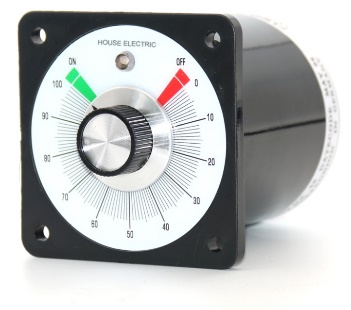
Understanding Percentage Timers and Their Role in Precision Irrigation
Percentage timers are now essential equipment for anyone doing precision irrigation work. Farmers can set their watering schedules based on exact percentages of what plants need each day or season. The timers themselves handle both how deep and how often water gets applied, taking into account factors like what kind of crop is growing, where it is in its development cycle, and what the soil looks like. Better models come with built-in connections to soil moisture sensors and weather monitoring stations too. These smart systems then change how long they run automatically so roots stay properly hydrated without wasting water. Agricultural tech studies show that when farms use these percentage timer systems with drip irrigation, they get around 95% efficiency in water delivery. That means way less wasted water and healthier plants overall. For crops that need different amounts of water at different times, this level of detailed control makes all the difference. Fields respond much faster to changes in conditions without someone having to constantly check everything by hand.
Evaluating Key Programmability and Scheduling Features
Adjusting Percentage-Based Run Times for Variable Crop Water Demands
Percentage timers today let gardeners set watering times based on a percentage of a main schedule instead of sticking to fixed intervals all the time. The real advantage comes when different plants need different amounts of water. For instance, leafy greens might get around 85% of the standard run time while something like sorghum that handles dry conditions well could work fine with just 35%. Some smarter models go even further by monitoring evapotranspiration rates each day and automatically adjusting those percentages accordingly. This helps avoid problems where clay soil gets too much water or sandy spots end up parched because the system isn't accounting for actual conditions on the ground.
Multi-Stage Programming for Diverse Zones and Soil Types
Programmable timers support 4–8 independent stages, making them ideal for fields with mixed soil textures or topographies. For example, a single timer can manage:
- Stage 1: 65% runtime for flood-irrigated rice paddies
-
Stage 2: 40% for drip-fed orchard trees on hillsides
This level of control reduces water waste and accommodates differences in root depth, such as between shallow-rooted carrots (12") and deep-rooted almonds (36").
Integrating Seasonal Adjustments and Evapotranspiration Data
Top-tier systems sync with local weather stations to automatically reduce irrigation percentages by 15–20% during rainy periods, in line with FAO 2023 guidelines. In California vineyards, integrating real-time ET data through percentage timers cut summer water use by 28% without affecting grape yield, according to a UC Davis Agricultural Report.
Smart Algorithms: Trend Analysis of Adaptive Scheduling Based on Usage History
Machine learning-enabled timers analyze 90-day usage patterns to predict optimal watering windows. One Nebraska corn farm saw a 19% reduction in pump runtime after its timer learned to shift irrigation to cooler morning hours, minimizing evaporation losses—a result documented in a USDA NRCS 2022 case study.
Compatibility with Irrigation Systems and Field Conditions
Integration with Drip and Micro-Irrigation Setups
Percentage timers work really well in those low flow systems such as drip irrigation and micro sprinklers because they help get just the right amount of water to each emitter. Farmers can tweak how long each zone runs based on percentage settings, which helps keep soil moisture even across hillsides and other tricky landscapes. About two thirds of all farms deal with this kind of irregular ground, so it makes sense why many growers are switching over. These smart timers actually cut down on wasted water by around half when matched properly with how much each emitter puts out. That's a big difference compared to old school fixed time schedules that don't account for changes in elevation or slope.
Matching Timers to System Components and Control Architecture
Getting compatible equipment means matching up the timer's voltage, amperage settings, and how it talks to other parts of the system such as pump controllers, solenoid valves, and various sensor connections. The newer percentage based timers work well with those 12 to 24 volt direct current systems that are pretty standard nowadays for solar powered drip irrigation setups. This is different from the old school timers that only worked with alternating current. When picking out timers, look for ones that have some kind of backup or failsafe mode built in. These features help keep water flowing even when there are little power issues or drops. That really makes a difference in places where the operation runs completely off grid without easy access to regular electricity sources.
Comparison: Percentage Timers vs. Traditional Timers and Central Control Systems
Central control systems definitely have their place when it comes to full automation across large operations. But for smaller and medium sized farms, percentage timers actually provide similar levels of precision while costing just about one tenth as much per zone. Traditional timers stick to rigid schedules no matter what, but these percentage based models adjust runtime automatically based on evapotranspiration data. The difference shows up in actual performance too these smart timers hit around 92% accuracy for watering, compared to only 67% from older systems. Real world testing has shown farmers getting roughly 19% better harvests once they made the switch. This happens because the system handles overwatering issues in clay rich soils much better and allows for smarter deficit irrigation approaches that save water without hurting crop quality.
Application Across Agricultural Sectors and Farm Scales
Customizing Percentage Timers for Row Crops, Orchards, and Vineyards
Water timers set at certain percentages let farmers control how much water goes where in different kinds of farming setups. Take cornfields or soybean plots for instance. Farmers can tweak those timer settings so they give less water when seeds are just starting to grow roots, then crank it up once the plants really take off. Orchard growers working with apple or peach trees find these timers helpful too. They run longer watering sessions at lower percentages which helps push moisture deeper into the soil where those big root systems need it most. Vineyard managers love programmable timers because they can water different sections of their grapevines at different times based on what kind of grapes are growing there and how thick the leaves are getting. Some even adjust schedules depending on weather forecasts to make sure nothing gets overwatered.
Managing Soil Moisture Variability and Topography Through Percentage Control
When dealing with sloped fields and different kinds of soil, adjusting the timer settings becomes pretty important. Sandy soils work better when we give them short bursts of water more often, around 60 to 70% runtime, since they tend to let water drain away too quickly. Clay soils are quite the opposite though they need longer intervals between watering but at higher percentages to stop water from just running off the surface. For areas with varying elevations, tiered scheduling helps out a lot. We might set the upper parts of the field to about 40% runtime and bump it up to maybe 55% for the lower sections. This approach accounts for how gravity pulls water downhill naturally, helping maintain proper moisture levels across the whole area without overwatering somewhere or leaving another spot dry.
Data Point: Adoption Rate of Programmable Timers in Large-Scale U.S. Farms (USDA, 2022)
According to the USDA's 2022 Agricultural Water Survey, about two thirds of farms larger than 500 acres are now using either percentage based or programmable timers for their irrigation systems. That's actually quite a jump from just under half (49%) back in 2018. Farmers who got in on this technology early have seen improvements ranging between 15% and 22% in how efficiently they irrigate their crops. For big operations, this translates into savings around $1.50 per acre when it comes to water expenses. What stands out though is that roughly four out of five of these farms also pair their timer data with readings from soil moisture probes. This combination creates what we might call feedback loops that help adjust irrigation schedules throughout different seasons as conditions change.
Enabling Remote Management and Future-Ready Automation
Remote Monitoring and Mobile App Adjustments for Real-Time Control
Today's percentage timers come with remote monitoring features and can be adjusted in real time through mobile applications, so there's no longer a need to physically check valves all the time. When weather conditions change suddenly or when soil moisture levels start acting up, these smart systems let operators respond right away. According to some research published last year in the field of industrial automation, companies using remote management systems saw about an 18% drop in downtime during operations. That kind of reliability translates well into better performance for irrigation systems too.
Automating Irrigation: Syncing Percentage Timers with Weather Stations and Soil Sensors
By connecting percentage timers to weather stations and soil sensors, farms can automate water delivery based on actual crop needs. For instance, a timer initially set to 70% runtime can dynamically increase to 85% during a drought alert from connected sensors, ensuring accurate hydration without excess.
Scalability of Automated Systems for Mid- to Large-Sized Agricultural Operations
Cloud-based timer networks simplify scaling from 50-acre orchards to 5,000-acre row crop farms. These systems centralize control across zones, automatically adapting schedules to account for soil variability or pump capacity constraints.
Strategy: Building a Future-Proof Irrigation System with Cloud-Based Timer Networks
Adopting cloud-connected timers future-proofs irrigation infrastructure by enabling over-the-air updates and seamless integration with emerging agtech tools. Farms using adaptive timer networks reported 22% less water waste in a 2025 agricultural workforce analysis, underscoring how remote data integration supports long-term sustainability.
Frequently Asked Questions (FAQ)
What is a percentage timer in the context of irrigation?
A percentage timer in irrigation allows farmers to set watering schedules based on specific percentages of water needs, adjusting automatically for factors like crop type and soil conditions.
How do percentage timers benefit precision irrigation?
Percentage timers enhance precision irrigation by automatically adjusting water delivery based on real-time data, reducing water wastage and improving crop health.
Can percentage timers be used with all types of irrigation systems?
Yes, percentage timers are compatible with various irrigation setups, including drip and micro-irrigation systems, making them versatile for different agricultural needs.
What are the advantages of integrating percentage timers with weather stations and soil sensors?
Integrating percentage timers with weather stations and soil sensors allows for real-time adjustments in water delivery, ensuring optimal hydration based on actual conditions, which reduces water usage and increases efficiency.
Are percentage timers suitable for large-scale agricultural operations?
Yes, percentage timers are scalable and can be used effectively in large-scale operations, offering centralized control and adaptability across wide and diverse farming areas.
Table of Contents
- Understanding Percentage Timers and Their Role in Precision Irrigation
- Evaluating Key Programmability and Scheduling Features
- Compatibility with Irrigation Systems and Field Conditions
- Application Across Agricultural Sectors and Farm Scales
-
Enabling Remote Management and Future-Ready Automation
- Remote Monitoring and Mobile App Adjustments for Real-Time Control
- Automating Irrigation: Syncing Percentage Timers with Weather Stations and Soil Sensors
- Scalability of Automated Systems for Mid- to Large-Sized Agricultural Operations
- Strategy: Building a Future-Proof Irrigation System with Cloud-Based Timer Networks
-
Frequently Asked Questions (FAQ)
- What is a percentage timer in the context of irrigation?
- How do percentage timers benefit precision irrigation?
- Can percentage timers be used with all types of irrigation systems?
- What are the advantages of integrating percentage timers with weather stations and soil sensors?
- Are percentage timers suitable for large-scale agricultural operations?