 EN
EN


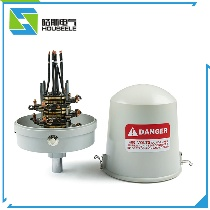
Understanding the Collector Ring's Role in Center Pivot System Reliability
What Is a Collector Ring and Why It Matters for Electrical Connections in Irrigation Systems
Collector rings, sometimes called slip rings, allow electricity to flow continuously between parts that stay still and those that rotate in center pivot irrigation systems. Regular wiring just doesn't cut it when something needs to spin almost three-quarters of a circle before breaking down. These rings work differently though they have conductive surfaces paired with spring loaded brushes that keep making contact even after completing a full circle of motion. According to research from the field, irrigation systems equipped with these collector rings face about 94 percent fewer unexpected failures than older models do. That means farmers can count on their pumps and valves working properly without dealing with tangled cables getting in the way. The Agricultural Electrification Association published these findings back in 2022.
How Collector Ring Performance Impacts System Uptime and Water Distribution
Voltage fluctuations in collector ring-equipped systems average 3% during operation, significantly lower than the 12–25% seen with standard wiring. This stability directly enhances system performance:
| Performance Metric | Collector Ring Systems | Standard Wiring |
|---|---|---|
| Motor Lifespan | +31% | Baseline |
| Pumping Efficiency | +19% | Baseline |
| Annual Downtime Events | 1–2 | 8–12 |
Data source: Agricultural Machinery Journal field tests (2023)
Consistent voltage delivery prevents motor burnout and supports uniform water distribution across pivot spans, improving crop outcomes and reducing energy waste.
Common Operational Challenges Caused by Collector Ring Wear
When collector rings get corroded or brushes wear down, they boost electrical resistance which causes all sorts of problems. Power tends to cut out intermittently, components run hotter than normal, and this can shorten their life by around 40%. The rotor speed becomes erratic too, creating those annoying dry spots across entire fields. According to a USDA study released last year, about 40 percent of sudden irrigation system failures actually come from poor maintenance of these collector rings. Farmers are losing roughly $740,000 every year because of this issue, as noted in the Ponemon Institute's 2023 research findings.
Identifying Signs of Collector Ring Degradation During Routine Inspections
Visual Indicators of Damage or Corrosion in Collector Rings
Monthly inspections should focus on discoloration, pitting, or debris buildup–white oxidation indicates advanced corrosion, while green deposits suggest moisture intrusion. Surface irregularities deeper than 0.5 mm increase short-circuit risks by 300% (USDA 2022). Document findings with timestamped photos to track degradation trends over time.
Electrical Anomalies Linked to Failing Collector Rings
Voltage fluctuations beyond ±10% or erratic pivot movement often indicate degraded brush contacts. A 2023 analysis revealed 67% of electrical failures in center pivots originated in rotating connectors. Use a multimeter to verify resistance stays within 5–15 Ω; deviations require immediate servicing to avoid cascading failures.
Effects on Water Distribution Uniformity and Unexpected System Downtime
Compromised collector rings cause uneven watering patterns, with field tests showing a 22% variance in soil moisture across zones (Irrigation Association 2023). Unaddressed wear typically leads to complete electrical failure within 90 days, resulting in 8–12 hours of downtime per repair. Proactive maintenance reduces water waste by 18% and cuts annual downtime by 40%.
Preventive Maintenance Practices for Long-Term Collector Ring Efficiency
Establishing a Regular Inspection Schedule to Maximize System Uptime
Bi-annual inspections reduce unexpected downtime by 62% in center pivot systems (USDA field studies). Technicians should prioritize checking brush contact surfaces and insulation integrity during seasonal maintenance, when components are most vulnerable due to continuous rotation and environmental exposure.
Cleaning Protocols to Prevent Corrosion and Conductive Surface Buildup
Use non-conductive cleaning solvents to remove abrasive particulates without damaging conductive paths. A Nebraska case study showed farms combining pressurized air blasting with solvent wiping achieved 40% lower resistance variance than those using dry-cleaning methods.
Lubrication and Contact Pressure Management for Optimal Conductivity
| Maintenance Factor | Target Specification |
|---|---|
| Contact Pressure | 0.8–1.2 N/mm² |
| Lubricant Viscosity | ISO VG 68 |
Exceeding 1.5 N/mm² accelerates brush wear, while insufficient pressure increases arc erosion risk. Apply dielectric grease quarterly to pivot joints exposed to high humidity to preserve conductivity.
Monitoring Brush Wear and Alignment in Rotating Electrical Connections
Brush replacement intervals shorten by 30–50% in sandy environments compared to loam regions. Track material loss using wear indicator grooves or laser measurement tools, maintaining brush length above 60% of original specifications for consistent power transfer.
Insights from USDA Studies on Maintenance Frequency and System Longevity
USDA research across 142 center pivot systems found farms implementing all five key maintenance protocols extended collector ring service life from 7 to 12 years. An average annual investment of $380 per machine prevented $4,200 in downtime losses.
Best Practices for Proper Installation and Technician Training
Aligning Collector Rings During Setup to Prevent Uneven Wear
Proper alignment ensures uniform contact between rings and brushes. Misalignment exceeding 0.5 mm can accelerate wear by up to 70% (Irrigation System Analysis 2023), increasing arcing and distribution errors. Technicians should:
- Use laser alignment tools to verify concentricity within ±0.2 mm tolerance
- Confirm rotating joint parallelism with the pivot axis before securing hardware
- Test rotation smoothness under load at operational speeds
Using Quality Hardware to Ensure Secure Electrical Connections
Substandard fasteners and connectors account for 34% of field-reported failures (Center Pivot Reliability Report 2022). Select components meeting UL 61058-1 or IEC 61238 standards for durability and current capacity. Silver-plated brass terminals maintain conductivity 2–3 times longer than bare copper in humid conditions, minimizing oxidation-related voltage drops.
Training Technicians on Preventive Maintenance for Long-Term Efficiency
Systems maintained by technicians completing at least 8 hours of specialized training annually experience 42% fewer premature collector ring replacements (USDA-funded study, 2023). Effective programs include:
- Hands-on workshops for brush tension adjustment (optimal range: 12–16 N/cm)
- Theoretical instruction on triboelectric effects in rotating contacts
- Safety protocols for live diagnostics using insulated multimeters
Creating Digital Logs to Support Consistent Inspection Schedules
Operations using cloud-based CMMS (Computerized Maintenance Management Systems) achieve 57% higher adherence to maintenance schedules (2021 IrrigationTech Analysis). Digital logs should track:
| Metric | Recording Frequency | Alert Threshold |
|---|---|---|
| Brush wear rate | Every 500 runtime hours | >0.15 mm/month |
| Contact resistance | Monthly | >5 mΩ under load |
| Insulation resistance | Quarterly | <50 MΩ at 1 kV DC |
This approach enables early detection of degradation, preventing disruptions to water distribution and minimizing unplanned outages.
Innovations in Collector Ring Design and Smart Irrigation Integration
Sealed and Self-Cleaning Collector Rings Simplify Routine Inspections
The latest designs incorporate multiple layers of shielding along with alloys that resist corrosion, cutting down on field maintenance work by about 92% according to a recent study from Sustainable Electrical Components in 2023. These hermetically sealed components keep out dust and moisture, and they manage to maintain contact resistance under 0.5 ohms even when temperatures swing between minus 20 degrees Celsius and a warm 65 degrees Celsius. What really stands out though are those self cleaning brushes that take care of conductive debris all on their own. This means technicians don't have to inspect these systems nearly as often as older versions required, with some reports showing inspections drop around two thirds compared to what was needed before.
Integration with Smart Controllers for Predictive Maintenance Alerts
Modern collector rings come equipped with MEMS sensors capable of tracking brush wear down to about 0.01mm and spotting when insulation resistance starts to drop. Connect these to smart irrigation controllers and farmers get early warning signs roughly two weeks ahead of possible breakdowns. Field tests in precision agriculture show this setup stops around four out of five unexpected shutdowns. Farmers also save time on diagnostics since real time data gets automatically sent to their farm management software, cutting down manual checking work by almost half in many cases.
Modular Designs Improve Installation Accuracy and Serviceability
The ability to swap out brush cartridges and replace segmented rings means farmers don't need days to switch between different system configurations. Most growers report being able to move their equipment from an 8 circuit setup to a full 24 circuit operation within just over an hour or so. What really stands out is how these modular components slash replacement expenses. Instead of paying for entirely new systems when technology advances, farmers save around three quarters of what they would spend otherwise. Plus, this flexibility opens doors to newer innovations such as variable rate irrigation techniques that adjust water distribution based on soil conditions. Tests conducted across multiple farms indicate that standardized mounting points make a world of difference in getting things aligned properly, with improvements in accuracy reaching almost nine tenths of what traditional methods could achieve.
FAQ
What is the main function of collector rings in irrigation systems?
Collector rings, also known as slip rings, allow continuous electrical flow between stationary and rotating parts in center pivot irrigation systems. They help prevent breakdowns by maintaining contact as the system rotates.
How do collector rings impact irrigation system performance?
Collector rings enhance performance by stabilizing voltage, which reduces wear on system components and decreases downtime. This stability leads to improved motor lifespan, increased pumping efficiency, and fewer downtime events.
What are the signs of collector ring degradation?
Signs of degradation include discoloration, pitting, debris buildup, and increased electrical resistance. These signs can affect voltage stability, cause uneven water distribution, and lead to system failures if not maintained properly.
How does maintenance extend the life of collector rings?
Regular inspections, cleaning protocols, and proper lubrication reduce wear and improve conductivity, extending collector ring service life. Proper maintenance can lead to significant cost savings by preventing downtime.
What innovations are improving collector ring design?
Innovations include sealed and self-cleaning designs, MEMS sensors for predictive maintenance, and modular components that improve alignment and reduce costs by allowing easy upgrades and replacements.
Table of Contents
- Understanding the Collector Ring's Role in Center Pivot System Reliability
- Identifying Signs of Collector Ring Degradation During Routine Inspections
-
Preventive Maintenance Practices for Long-Term Collector Ring Efficiency
- Establishing a Regular Inspection Schedule to Maximize System Uptime
- Cleaning Protocols to Prevent Corrosion and Conductive Surface Buildup
- Lubrication and Contact Pressure Management for Optimal Conductivity
- Monitoring Brush Wear and Alignment in Rotating Electrical Connections
- Insights from USDA Studies on Maintenance Frequency and System Longevity
- Best Practices for Proper Installation and Technician Training
- Innovations in Collector Ring Design and Smart Irrigation Integration
- FAQ