 EN
EN


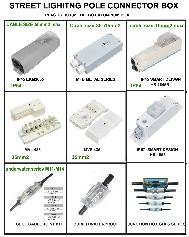
Understanding the Role of Fuse Boxes in Street Light Pole Systems
Mechanisms of Electrical Protection and Role of Fuse Boxes in Street Lighting Circuits
Street lighting circuits need protection from electrical surges and faults, which is where fuse boxes come into play. When there's an overload, the fuse element inside these boxes melts away within fractions of a second, stopping power flow before it can harm the fixtures or create dangerous fire hazards in public spaces. Recent studies from NEMA show that this quick reaction cuts down on circuit failures by around two thirds when compared to systems without such protection. Newer models of fuse boxes actually let technicians isolate just the problematic parts of the system, so most streetlights stay lit even if one section goes down. This means people walking at night still have good visibility and remain safe until repairs can be made.
Integration of Fuse Boxes into Street Light Pole Systems
Most fuse boxes sit right at ground level near utility poles or inside those plastic enclosures designed to withstand rain and dust. Maintenance workers appreciate this placement because it saves them time when troubleshooting issues. These boxes connect with various components including light sensors that detect daylight levels, mechanical timers controlling operation schedules, and special gadgets that protect against power surges. When something goes wrong, technicians can fix problems in one section without cutting power across whole neighborhoods — which matters a lot in cities where sudden blackouts might leave people stranded in elevators or stuck on dark streets. The accessibility factor isn't just convenient either. Many modern models come equipped with diagnostic tools that flag potential problems before they become major headaches for electricians responding to emergency calls.
Electrical Safety and Grounding in Outdoor Lighting Infrastructure
Proper grounding along with good arc flash protection in those fuse boxes goes a long way toward tackling some serious problems highlighted by recent NFPA research. According to their findings, almost 4 out of every 10 fires related to street lights actually come down to bad installation practices. When it comes to following IEC 61439-3 guidelines, what this really means is that electrical enclosures can handle whatever Mother Nature throws at them. They stay put even when there's humidity in the air or temperatures fluctuate wildly day to day. Looking at actual numbers from city power departments tells another story too. Cities that stick closely to these standards report about 29 percent less need for urgent fixes on their outdoor electrical systems. Makes sense really since better built infrastructure just handles rough conditions much better than cheaper alternatives.
Key Material Properties for Outdoor Fuse Box Enclosures
Material Durability and Environmental Resistance (e.g., IP54 Rating) of Fuse Box Enclosures
When it comes to outdoor fuse boxes, they need to stand up to all sorts of punishment including impacts, moisture, and dust getting inside. The IP54 rating serves as a baseline requirement since it keeps dust out and handles water splashes no matter where they come from, which matters a lot for those mounted on poles facing wind blown rain. Manufacturers typically go with materials like powder coated steel or UV stabilized fiberglass because these work well for what's needed. Wall thickness around 2mm or so adds extra protection against people trying to tamper with them, though exact specs can vary depending on local conditions and installation practices.
Temperature and UV Resistance in Prolonged Outdoor Exposure
The materials used need to handle pretty harsh conditions, surviving temperatures that can drop as low as minus 40 degrees Celsius all the way up to 75 degrees without bending out of shape or getting too brittle. Fiberglass stands out here because it doesn't expand much when heated, which is a big plus. Aluminum on the other hand works best when coated with something reflective to keep sunlight from heating it up too much. For those clear viewing areas, polycarbonate windows treated against UV rays tend to stay clear and strong even after years sitting in direct sunlight. Most last well beyond ten years before showing any real signs of wear.
Corrosion Resistance and Longevity in Humid or Coastal Environments
The coastal environment brings special problems we need to consider. Salt in the air really speeds up corrosion of metal boxes, sometimes making them rust three times faster than what happens inland according to recent studies. Materials like stainless steel grade 316 and fiberglass work much better because they don't react with saltwater the same way regular metals do. When it comes to aluminum though, there's hope. If we apply an anodizing layer thicker than about 25 microns, these parts can last around 15 to 20 years even when humidity stays high at over 90% most of the time. This makes a big difference for equipment installed near shorelines where moisture is constant.
NEMA and IP Ratings: Standards Guiding Material Selection for Street Light Poles
Material selection is guided by recognized certification standards that ensure durability and safety in harsh conditions:
| Standard | Key Requirement | Compliant Materials |
|---|---|---|
| NEMA 4X | Corrosion + Waterproofing | Fiberglass, 316 Stainless Steel |
| IP66 | High-pressure water jets | Thick-walled polymers |
| UL 50E | Hazardous location compliance | Explosion-proof alloys |
These benchmarks ensure long-term reliability—supporting operational lifespans exceeding 50,000 hours under demanding weather cycles.
Comparative Analysis of Steel, Aluminum, and Fiberglass Fuse Box Materials
Steel: Strengths and risks in outdoor electrical enclosures
Steel is known for its impressive mechanical strength, able to resist compression forces above 210 GPa which makes it work well in areas where there's lots of impact. But there's another side to steel we need to consider too. Because it conducts electricity so well, there can be serious safety issues when installed without proper protection. Even when coated with zinc through galvanization, these materials still corrode about 38 percent quicker compared to other non metal options according to those salt spray tests specified in ASTM B117-19 standards. For places with high humidity levels, applying epoxy coatings regularly along with some basic maintenance becomes essential if we want to stop rust from eating away at the material over time.
Aluminum: Lightweight, corrosion-resistant, but conductive
Aluminum enclosures come in at about 60 percent lighter than their steel counterparts, making them much easier to handle during installation work, particularly important for equipment that needs regular maintenance checks. The material forms a protective oxide layer naturally, which stands up pretty well against corrosion even in salty coastal environments. On the flip side though, aluminum conducts heat around 15 times faster than steel does, creating serious arc flash risks whenever grounding systems fail. While proper isolation techniques will bump up installation expenses by roughly 20 to 25 percent, these safety measures aren't optional items on a spec sheet they're mandatory requirements for passing electrical inspections across most jurisdictions.
Fiberglass: Non-conductive, durable, and low-maintenance benefits
When it comes to enclosure materials, fiberglass stands out as the only non conductor in the market, which means no risk of electric shocks even when installed in damp areas or outdoors where weather can be unpredictable. Industry experts often point this out as one major plus point when comparing different enclosure options. What makes fiberglass really special is how its composite nature fights off UV damage for decades without needing any kind of protective coating, something most other materials just cant handle. Plus, it keeps holding strong with tensile strength well over 1,000 MPa throughout its lifespan. Sure, upfront prices run around 40 percent more compared to aluminum alternatives, but think long term here. There's absolutely no maintenance required over time, and let's face it, nobody wants their equipment damaged by vandals. These factors combined actually make fiberglass cheaper to own overall despite the higher sticker price.
Direct comparison: Safety, cost, longevity, and installation factors
| Factor | Steel | Aluminum | Fiberglass |
|---|---|---|---|
| Conductivity | High | High | None |
| Corrosion | 5-7 year lifespan* | 20+ years | 30+ years |
| Weight | 18-22 kg/m² | 8-12 kg/m² | 4-7 kg/m² |
| Fire Rating | Class A (untreated) | Class B | Class A |
*In ISO 9223 C4 environments with protective coatings
Bold figures denote best-in-class performance
Fiberglass is increasingly favored for safety-critical urban applications despite higher upfront investment ($850 vs. $490 for aluminum units). Aluminum remains a practical choice for temporary or budget-sensitive projects, while steel use is largely confined to industrial settings due to ongoing maintenance demands.
Industry Trends and Real-World Applications in Material Selection
Growing Preference for Non-Conductive Materials in Public Infrastructure
These days, city planners are increasingly turning to materials that don't conduct electricity, such as fiberglass, when installing those little boxes that hold the fuses for street lights. This change comes from new rules set out by the National Electrical Code which stress how important it is for outdoor electrical enclosures to resist conducting electricity. Looking at what's happened since this practice started becoming common, there's been quite a drop in problems related to electricity. Municipal safety records show about 37% fewer incidents reported since 2023. So while nobody really wants to think about sparks flying from a street light, these changes are making neighborhoods safer than they were before.
Case Study: Municipal Upgrades Adopting Fiberglass Fuse Box Enclosures
A Midwestern city replaced 1,200 aging steel enclosures with fiberglass units across its street lighting network, resulting in:
- 80% fewer corrosion-related service calls
- 50% faster installation due to reduced weight
- Zero electrical incidents post-deployment
Annual maintenance savings reached $18 per unit, confirming fiberglass’s long-term cost-effectiveness—even with a 12% higher initial material cost compared to aluminum.
Future Outlook: Smart Poles and Integration With Advanced Materials
Next-generation smart poles are incorporating graphene-enhanced composites that enable:
- Real-time thermal monitoring via embedded sensors
- Self-cleaning surface treatments to preserve lumen output
- Modular fuse box designs for quick component upgrades
These advancements support evolving smart city grids, where materials must handle higher voltage loads (up to 480V) while meeting stringent IP67 protection standards across extreme temperature ranges (-40°F to 140°F).
Frequently Asked Questions
Why are fuse boxes important in street lighting systems?
Fuse boxes protect street lighting systems from electrical surges and faults by cutting off power flow during overloads, thus preventing damage to fixtures and reducing fire hazards.
What materials are commonly used for outdoor fuse boxes?
Common materials for outdoor fuse boxes include powder-coated steel, UV-stabilized fiberglass, and aluminum, each chosen based on durability and environmental resistance.
Why is fiberglass preferred over steel and aluminum for fuse box enclosures?
Fiberglass is non-conductive, highly durable, and low maintenance, making it safer and more cost-effective over the long term compared to conductive materials like steel and aluminum.
What future trends are emerging in fuse box materials for street lighting?
Future trends include the use of advanced materials like graphene-enhanced composites, which offer features like real-time monitoring, self-cleaning surfaces, and modular designs for smart city applications.
Table of Contents
- Understanding the Role of Fuse Boxes in Street Light Pole Systems
-
Key Material Properties for Outdoor Fuse Box Enclosures
- Material Durability and Environmental Resistance (e.g., IP54 Rating) of Fuse Box Enclosures
- Temperature and UV Resistance in Prolonged Outdoor Exposure
- Corrosion Resistance and Longevity in Humid or Coastal Environments
- NEMA and IP Ratings: Standards Guiding Material Selection for Street Light Poles
- Comparative Analysis of Steel, Aluminum, and Fiberglass Fuse Box Materials
- Industry Trends and Real-World Applications in Material Selection
- Frequently Asked Questions