 EN
EN


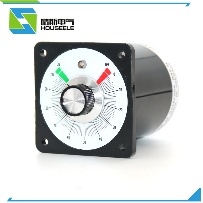
Understanding Percentage Timers and Their Role in Dynamic Irrigation Scheduling
What is a percentage timer and how it supports irrigation scheduling based on crop water use?
Percentage timers make irrigation automatic by changing how long water runs based on a set cycle time, say 15 minutes or so. When someone sets it to 50%, the system waters plants for just under eight minutes each cycle. This matches what different crops actually need through their evapotranspiration process, which basically measures how much moisture they lose. Compared to regular fixed watering times, these timers cut down on wasted water by around 29% for veggies according to the Irrigation Association from last year. That makes them great for farms looking to switch from guesswork to smarter water management based on real data instead of just following old habits.
Transition from fixed irrigation schedules to water budget mode using percentage adjustments
Traditional irrigation systems often waste 20–40% of water due to rigid scheduling. Percentage timers enable water budget mode, where farmers scale runtime weekly based on ET fluctuations. During peak summer months, a 70% setting might increase to 95% to meet higher crop water demand, then drop to 50% post-harvest.
| Method | Water Savings | Adaptability | Crop Yield Impact |
|---|---|---|---|
| Fixed Schedule | 0% | Low | ±15% variability |
| Percentage Adjustment | 28–68% (2023 IA) | High | ±4% variability |
Integration of percentage timers with smart irrigation controllers for precision water management
Modern systems combine percentage timers with soil moisture sensors and weather forecasting tools to create closed-loop irrigation controls. A 2023 trial showed farms using integrated systems achieved 92% water-use efficiency by automatically reducing runtime during rainfall events while maintaining optimal root-zone moisture.
Calculating Crop Water Needs Using Evapotranspiration (ET) and Crop Coefficients
How Evapotranspiration (ET) and Crop Coefficients Determine Daily Irrigation Requirements
Farmers figure out how much water crops need by looking at something called evapotranspiration, or ET for short. This basically measures all the water lost when moisture evaporates from soil plus what plants give off through their leaves. To get specific numbers, they take reference ET values based on local weather patterns for standard grass areas and multiply them with special crop factors known as Kc coefficients. Corn has pretty dramatic changes in its Kc value, starting around 0.3 when it first comes up and peaking at about 1.2 during full growth phase. Lettuce stays relatively consistent though, usually between 1.0 and 1.1 across its entire growing period. Good news for growers wanting to optimize watering schedules is that Michigan State University offers free online calculators which adjust these ET values according to actual field conditions and specific crop characteristics.
| Crop Type | Growth Stage | Kc Range | Irrigation Adjustment Factor |
|---|---|---|---|
| Corn (grain) | Vegetative | 0.8–1.2 | +15% vs. fallow soil |
| Tomato | Fruit set | 1.0–1.1 | +10% for sandy soils |
| Winter Wheat | Maturation | 0.3–0.5 | -20% during rainfall events |
Applying the Water Balance Method to Estimate Real-Time Crop Water Demand
The water balance method tracks soil moisture by comparing inflows (rainfall, irrigation) and outflows (ET, drainage). Sensors measure root-zone depletion, triggering irrigation when moisture drops below 50% of available capacity. Almond growers using this approach reduced water use by 22% without yield loss, according to a 2023 UC Davis study.
Case Study: ET-Based Irrigation Scheduling for Vegetable Crops Using Percentage Adjustments
Farmers at a carrot operation located in California's Salinas Valley managed to slash their water consumption by around 18 percent after they started connecting their irrigation timers to actual evapotranspiration (ET) readings each day. During one particularly hot spell when temperatures soared, the ET value jumped up to 7.8 mm per day, prompting the automated system to extend watering times by nearly a third. On the flip side, those long foggy mornings saw ET drop below 3.2 mm/day, so the system would cut back on watering by almost half. According to studies done on similar farms, making these kind of percentage based adjustments based on real time ET data actually helps maintain crop yields within about plus or minus 9 percent range compared to sticking strictly to fixed watering schedules regardless of weather conditions.
Configuring Percentage Timer Settings in Smart Irrigation Controllers
Step-by-Step Guide to Programming Percentage Adjustments Based on Crop Water Needs
Setting up those percentage timers begins with establishing base irrigation times based on evapotranspiration data and what the crops actually need. Many modern irrigation systems let farmers tweak their water budgets in tiny steps, sometimes as small as 1%, and these changes get applied across all the different zones at once. When temperatures drop, cutting back about 20% on how much water goes out but keeping the same schedule helps avoid soggy soil without having to mess around with each station separately. According to research from the US Department of Energy, this method of giving plants just enough but not too much water can save between 15 and maybe even 35 percent of total water usage for crops that really suffer when there's not enough rain.
Aligning Irrigation Frequency and Duration With Plant Water Uptake Patterns
Optimal percentage timer settings mirror root zone dynamics:
- Shallow-rooted vegetables (≤12" depth) benefit from shorter, frequent cycles (50–70% runtime)
- Deep-rooted orchards perform better with extended intervals at 100–120% of baseline
A 2023 study in Precision Agriculture demonstrated that aligning irrigation cycles with soil moisture depletion patterns improved tomato yields by 18% while reducing pumping costs by $22/acre.
Overcoming the Industry Paradox: Why Percentage Features Are Underused Despite High Smart Controller Adoption
About 72 percent of farms have these smart irrigation systems according to the Irrigation Association report from last year, but just over a third actually use those percentage adjustment features. Farmers still think manual scheduling is somehow safer, even though studies point out that automatic water budgeting cuts down on crop losses when we hit those brutal heat waves. The key seems to be keeping soil moisture right where it needs to be. Some training sessions showing actual examples help close this knowledge gap. Like explaining how to set timers at 65 percent during those hot weeks when temperatures hit 90 degrees Fahrenheit and humidity stays around 40 percent makes all the difference for many growers who aren't sure where to start.
Enhancing Accuracy with Real-Time Data and Adaptive Management
Using Soil Moisture and Weather Sensors to Dynamically Adjust Percentage Timer Settings
Today's irrigation systems get pretty accurate when they combine soil moisture sensors with weather station data that goes straight into those percentage timers. The system then tweaks how long it waters depending on what's actually happening outside. Farmers have noticed around 15 to maybe even 30 percent less water gets used during rain seasons without hurting crop output at all. A recent study from Nebraska State back in 2023 confirmed this works well. These smart controllers take all that sensor info and change the irrigation settings every day. Basically, they match up how much water crops really need instead of just following some fixed schedule. Makes sense when thinking about saving resources but still getting good harvests.
Incorporating Seasonal Crop Coefficient Curves into Adaptive Irrigation Planning
Water needs for crops change throughout the seasons depending on where they are in their growth cycle and how much leaf cover they have developed. Modern irrigation setups use something called dynamic crop coefficients (Kc) which basically means adjusting how much water gets applied each day based on what plants are actually losing through evaporation and transpiration. Take corn as an example it usually starts around 0.4 when first emerging then climbs all the way up to about 1.15 during those thirsty midsummer weeks when it needs maximum hydration. Farmers need to tweak their timers accordingly during these periods. Field tests conducted in California's almond groves indicate this method matches real water demands pretty closely most of the time about 92% accurate according to recent studies there.
Long-Term Optimization: Adapting Irrigation Schedules to Climate Variability and Crop Rotation
When it comes to long term irrigation planning, many growers are turning to historical weather records combined with forecasting tools to tweak their timer settings throughout different growing periods. According to recent studies from the USDA, those who stick with a five year adaptive approach tend to save around 18% more water than folks using fixed schedules. Modern systems have gotten pretty smart too they can actually modify basic watering plans based on what crops are planted next season. This means farmers spend roughly 40% less time setting everything up again when moving from cotton fields to cover crops, which makes a big difference during busy planting seasons.
FAQs on Dynamic Irrigation Scheduling with Percentage Timers
What is a percentage timer in irrigation?
A percentage timer in irrigation is a device that adjusts the duration of water supply based on a predefined cycle time, helping match water delivery with crop evapotranspiration needs.
How do percentage timers save water?
By aligning irrigation duration with the actual water needs of crops, percentage timers can reduce water waste by adjusting the watering times based on real-time data and conditions.
How do farmers determine crop water needs?
Farmers determine crop water needs through evapotranspiration calculations, which factor in water lost through evaporation and plant transpiration, multiplied by crop-specific coefficients.
Why aren't all farmers using percentage adjustments in irrigation systems?
Even though smart irrigation systems are widely adopted, some farmers prefer manual settings, possibly due to familiarity or misconceptions about the safety of automatic adjustments.
How do smart irrigation controllers enhance water use efficiency?
Smart irrigation controllers use real-time data from soil moisture sensors and weather forecasts to dynamically adjust irrigation schedules, optimizing water use without compromising crop yield.
Table of Contents
- Understanding Percentage Timers and Their Role in Dynamic Irrigation Scheduling
- Calculating Crop Water Needs Using Evapotranspiration (ET) and Crop Coefficients
- Configuring Percentage Timer Settings in Smart Irrigation Controllers
- Enhancing Accuracy with Real-Time Data and Adaptive Management
- FAQs on Dynamic Irrigation Scheduling with Percentage Timers