 EN
EN


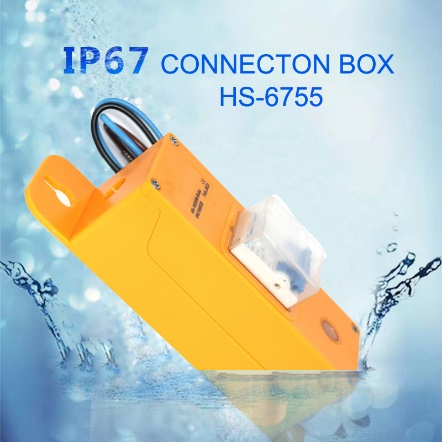
What IP67 Protection Means for Street Lighting Connection Boxes
Connection boxes rated IP67 offer essential protection for street lights that face all sorts of environmental challenges including rain, dust, occasional flooding, and city grime. The IP rating system, which comes from standard IEC 60529, basically tells us how well something can keep out both solid particles and liquid water. When we look at IP67 specifically, that first number 6 means absolutely no dust gets inside. This matters because dust buildup over time can lead to electrical problems like arcing or overheating, especially in busy areas where traffic stirs up lots of particulate matter. The second digit, 7, refers to waterproofing capabilities. These boxes can handle being submerged under water about a meter deep for half an hour without letting any moisture inside. That kind of protection is really important for outdoor lighting fixtures since they often get caught in sudden floods, washed away by heavy rains after storms, or just sit there getting soaked during long downpours right at ground level where most street lights are installed.
Connection boxes without proper protection face serious risks including short circuits, corroded terminals, and insulation failures which can lead to unexpected power cuts, dangerous electrical situations, and expensive repair bills down the road. Field tests indicate that enclosures meeting IP67 standards cut down on unplanned maintenance somewhere around 25-30% in harsh outdoor conditions. These same enclosures often last well over 15 years if installed correctly with suitable materials. Municipalities and cities developing their smart lighting infrastructure need to specify IP67 ratings as part of their specifications. It isn't merely good practice anymore but has become essential for ensuring worker safety, meeting regulatory requirements, and keeping operational costs under control over time.
Critical Design and Material Features of IP67 Connection Boxes
Corrosion-resistant enclosures and UV-stable polymers for long-term outdoor reliability
The long term durability of any structure really comes down to what materials we choose. For environments near salt water, roads treated with deicers, or areas exposed to industrial fumes, marine grade aluminum like 5052 or 6061-T6 works great. Fiberglass reinforced polycarbonate is another solid option since it stands up well against all those harsh elements. Don't forget about UV stabilized polymers either. These special formulations stop the breakdown caused by constant sun exposure that would otherwise weaken most plastics over time. What makes these materials stand out is their ability to keep performing even after years of service. They maintain their strength when hit, stay dimensionally stable despite temperature changes, and hold together under tension for more than ten years. Think about places where temperatures swing wildly between scorching deserts above 45 degrees Celsius and freezing conditions below minus 30 degrees Celsius. That kind of resilience matters a lot for infrastructure projects that need to last decades without major maintenance.
Sealing mechanisms—gaskets, screw torque specs, and ingress prevention testing
IP67 rating isn't something manufacturers can just hope for—it needs proper engineering work. The silicone gaskets used here are specifically designed with compression control between 30 and 50 on the Shore A scale. These create good seals where housings meet. Meanwhile, those NBR cable glands handle both movement from conductors and expansion when temperatures change, all while keeping out unwanted stuff. Getting the fastening right matters a lot too. For standard M4 screws, we're looking at around 0.6 to 1.2 Newton meters of torque. Too little and gaps appear. Too much and the seal gets damaged or pushed out of place completely. Testing happens according to IEC 60529 standards. First comes the dust test in special chambers, followed by immersion tests lasting 30 minutes at depths up to one meter under static pressure conditions. Moisture shouldn't get through during any part of this process if everything was done correctly.
Selecting the Right IP67 Connection Box for Street Lighting Applications
Matching connection box type (e.g., inline, T-junction, multi-port) to installation environment
Enclosure geometry must align with physical constraints and service requirements:
- Inline boxes minimize profile and drag in straight conduit runs along poles or buried duct banks
- T-junctions simplify branching at intersections or mid-span tap points, reducing splice count and failure points
- Multi-port hubs consolidate complex wiring near controllers or smart node gateways—ideal for adaptive lighting or IoT sensor integration
Material and configuration choices should anticipate environmental stressors: underground vaults demand non-corroding, halogen-free polymers; pole-mounted units require UV- and impact-resistant housings with wide-service-temperature ratings. Prioritize field-serviceability—removable lids, generous internal volume, and modular gland plates improve technician access and reduce future downtime.
Certification compliance: UL 514B, EN 60670, and third-party IP67 verification
Compliance goes beyond marketing claims. Specify enclosures certified to UL 514B (for mechanical impact resistance and flame propagation) and EN 60670-1 (for thermal endurance and dielectric strength). Crucially, demand third-party IP67 test reports—not just manufacturer declarations—that confirm:
- Dust-tight sealing after exposure to ISO 12103-1 A2 test dust
- Zero water ingress following 30-minute submersion at 1 m depth per IEC 60529
- Operational functionality across –40°C to +75°C ambient extremes
Independent validation eliminates counterfeit ratings and ensures resilience in flood-prone, high-humidity, or thermally volatile deployments—directly impacting public safety and grid reliability.
Installation Best Practices and Common Pitfalls with IP67 Connection Boxes
Getting the installation right is absolutely critical for maintaining that IP67 rating. Start by making sure the mounting area is both clean and level because any irregularities or dirt will mess up the gasket seal. When tightening those cover screws, grab a properly calibrated torque driver and follow a star pattern across the enclosure, aiming for around 0.6 to 0.8 Newton meters of force. This helps compress the gasket evenly without damaging it. For cables, go with dual entry stainless steel glands that have built-in strain relief features. Before putting everything together, smear some dielectric grease onto those O-rings too. It keeps them from drying out and cracking under UV exposure over time. Once all the wiring is done, don't forget to actually test the seals. Run a 30 minute water spray test at low pressure according to IEC 60529 Annex B standards. This checks if the whole assembled unit holds up against moisture ingress, not just when the box is sitting empty on a shelf somewhere.
Common failures stem from procedural oversights—not product defects:
- Thermal cycling neglect: Plastic enclosures expand/contract with temperature swings; screws loosened over time require seasonal retorquing
- Gland sizing errors: Gaps from undersized glands or seal deformation from oversized ones create direct ingress paths—always measure conductor OD, not cable jacket
- Trapped condensation: Absence of vent plugs or weep holes allows moisture accumulation; specify enclosures with integrated drainage or breathable membranes where appropriate
- Partial-system validation: Testing only the box while ignoring gland-conduit transitions, connector interfaces, or conduit entry seals misses >60% of real-world failure modes
Looking at field reports from city water departments shows that about three quarters of all problems with IP67 ratings come down to two main issues: glands installed wrong way round or gaskets that have started to break down over time. These issues can be avoided if workers get proper training, use properly calibrated equipment, and actually follow what the manufacturers wrote in their manuals. A good practice is replacing those rubber seals every single time someone opens up the enclosure. Also worth noting are the little things like choosing hardware that resists UV damage. Black anodized nuts and bolts work well, as do latches coated with silicone. Getting these details right helps maintain protection for years instead of just months before needing repairs.
FAQ
What is IP67 protection?
IP67 protection means a device is dust-tight and can be submerged in water up to a meter deep for 30 minutes without letting moisture inside.
Why is IP67 rating critical for street lighting connection boxes?
IP67 rated connection boxes are essential for preventing short circuits, corroded terminals, and insulation failures due to environmental challenges like rain, dust, and flooding.
What materials are commonly used for IP67 connection boxes?
Common materials include marine-grade aluminum, fiberglass reinforced polycarbonate, and UV stabilized polymers due to their durability under harsh environmental conditions.
What should be considered during installation to maintain IP67 rating?
The installation should ensure a clean, level mounting area, correct torque for screws, proper gland sizing, and conducting moisture ingress tests after assembling.