 EN
EN


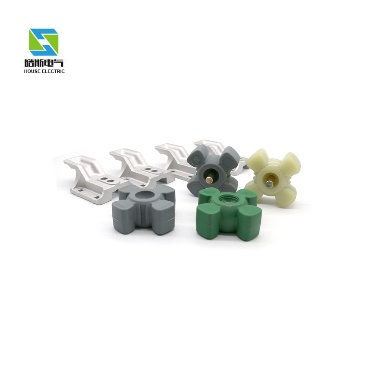
Understand Coupler Types and Their Role in Agricultural Irrigation Systems
Hydraulic couplers are essential components in agricultural irrigation systems, enabling quick, secure connections and disconnections of hoses while maintaining pressurized fluid flow. The right coupler type enhances system efficiency, reduces leaks, and lowers maintenance costs over time.
Common hydraulic coupler types used in irrigation applications
Three main coupler designs are widely used in modern irrigation:
- Flat-face couplers, compliant with ISO 16028, minimize fluid spillage during disconnection and prevent contamination—making them ideal for high-pressure center pivot systems.
- Poppet-style couplers provide a cost-effective solution for low-pressure drip irrigation, though they typically incur about 3% fluid loss per disconnect cycle.
- Snap-lock couplers support rapid, tool-free reconfiguration of portable sprinkler lines, cutting seasonal setup time by 30–40% compared to threaded fittings.
Pressure ratings vary significantly: industrial flat-face models can handle over 5,000 PSI, while standard poppet-style couplers are generally rated up to 3,000 PSI. Material selection is equally important—brass or stainless steel couplers offer superior resistance to corrosion from fertilizers and chemicals compared to aluminum alternatives.
Matching coupler specifications to hose fittings and system requirements
Proper alignment between couplers and hoses ensures consistent flow and prevents pressure drops that can reduce irrigation coverage by 15–25%. Key matching criteria include:
- Pressure ratings that exceed system operating pressure by at least 25%
- Flow capacity aligned with pump output (GPM/LPM) to prevent turbulence
- Thread compatibility (e.g., NPT, BSPP) with existing connectors
- Chemical resistance to fertilizers, pesticides, and other additives in the water stream
For instance, pairing 1" NPT hoses with ISO 7241-1 Series B couplers maintains optimal flow dynamics. Field data shows mismatched connections triple failure rates within three years. Always confirm coupler compliance with relevant agricultural standards such as ISO 5675 to ensure long-term reliability.
Evaluate Supplier Reliability and Export-Ready Capabilities
Key indicators of a reliable coupler supplier: certifications, manufacturing standards, and track record
A dependable supplier is foundational to system performance and project timelines. Evaluate potential partners based on three core factors:
First, verify certifications such as ISO 9001, which confirm adherence to internationally recognized quality management systems. These certifications reflect consistent production practices critical for irrigation components.
Second, assess manufacturing standards, including material traceability, in-process inspections, and batch testing protocols. Suppliers with documented quality control processes typically achieve defect rates well below industry averages.
Third, review the supplier’s track record through client testimonials, on-time delivery performance, and technical support responsiveness. Providers maintaining over 95% on-time delivery and offering prompt technical assistance demonstrate operational reliability. Requesting product samples before large orders allows firsthand evaluation of quality and consistency.
Top coupler manufacturers for export markets and their global support
Leading manufacturers serving global markets offer integrated export capabilities that streamline international procurement. Regional distribution centers in key agricultural zones reduce shipping times and logistics costs—critical for time-sensitive irrigation projects.
These top-tier suppliers provide multilingual technical support across time zones, resolving installation or compatibility issues within 24 hours. Their international warranty coverage ensures protection regardless of location, while digital inventory platforms enable real-time order tracking and stock visibility.
Additionally, these manufacturers adapt products to meet regional specifications, ensuring couplers comply with local threading standards, material requirements, and environmental regulations—eliminating field-fit challenges and reducing project delays.
Ensure Compliance with International Export Standards and Traceability
Required product markings, country of origin labeling, and stamped identifiers
Exporting irrigation couplers demands strict compliance with international labeling regulations. Each unit must bear permanent, legible markings including:
- Country of origin
- Maximum pressure rating
- Material type and certification (e.g., ISO 9001)
- Safety compliance indicators (e.g., CE marking for EU markets under the Pressure Equipment Directive)
These identifiers are typically applied via laser engraving or impact stamping to ensure durability. Proper labeling prevents customs delays and reduces the risk of border rejections—unmarked components face a 34% higher rejection rate during inspections, according to 2024 trade compliance data.
Part numbering systems and supply chain traceability for irrigation components
Adopt standardized part numbering systems with embedded intelligence—such as prefix codes for material grade and suffixes for pressure class—to enable full traceability across the supply chain. Unique identifiers support tracking via RFID or blockchain technologies, which are increasingly required for regulatory audits and product recalls.
When a failure occurs, traceable numbering reduces recall costs by 78% by isolating affected batches without halting entire operations. Exporters must maintain comprehensive digital records, including:
- Material test certificates
- Manufacturing dates and batch numbers
- Quality inspection reports
- Shipping and customs documentation
These records demonstrate regulatory due diligence and support compliance in over 120 countries with formal irrigation equipment import requirements.
FAQ
What are hydraulic couplers?
Hydraulic couplers are components used in irrigation systems to connect and disconnect hoses securely, maintaining fluid flow under pressure.
How can I choose the right coupler for my irrigation system?
Consider pressure ratings, flow capacity, thread compatibility, and chemical resistance to ensure optimal performance and match coupler specifications to hose fittings and system requirements.
Why is supplier reliability important?
Reliable suppliers ensure consistent quality, timely delivery, and adequate technical support, which are crucial for efficient irrigation operations.
What are the marking requirements for exporting irrigation couplers?
Couplers must have markings indicating country of origin, pressure rating, material type, and safety compliance to meet international standards and avoid customs issues.