 EN
EN


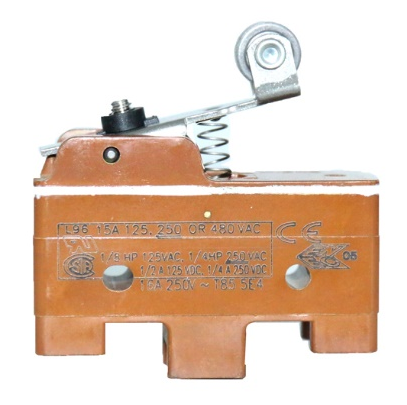
IP67/IP68 Certification: The Foundational Requirement for Agricultural Micro Switch Reliability
Why IP67 and IP68 Ratings Are Non-Negotiable for Field-Deployed Agricultural Micro Switches
On farms, agricultural micro switches need to handle all sorts of tough stuff including dust storms, mud, and sometimes getting submerged accidentally in irrigation channels. The IP67 rating means it can keep out dust and survive being underwater temporarily about a meter deep for half an hour or so. For even harsher situations, IP68 rated switches are built to last longer when submerged deeper. These ratings really do matter for equipment survival. Machines used around dusty grain silos or areas prone to flooding tend to break down much quicker if they don't have proper IP67 or IP68 sealing. A recent report from Harsh Environment Switches in 2024 found that such equipment fails approximately 73% faster without those protective seals.
Beyond the Label: How Real-World Dust, Mud, and Temporary Submersion Challenge IP Claims
Laboratory IP testing rarely mirrors field conditions. Standard dust chambers omit abrasive soil particulates, and submersion tests ignore chemical-laden water common in fertilized fields. Real-world failures occur when:
- Silty mud clogs actuator mechanisms, jamming contacts
- Thermal shocks during sudden rain create seal micro-fractures
- Fertilizer residues accelerate corrosion on non-gold-plated terminals
| Field Challenge | IP Test Limitation | Consequence |
|---|---|---|
| Clay-rich mud | Synthetic dust particles | Switch immobilization |
| Pesticide runoff | Clean water immersion | Contact degradation |
| Diurnal condensation | Steady humidity levels | Internal short circuits |
Manufacturers addressing these gaps use multi-layered silicone gaskets and stainless-steel housings—extending switch lifespan by 40% in 3-year field trials.
Environmental Resilience: Temperature Swings, Humidity, and Chemical Exposure in Agriculture
Oxidation Resistance and Contact Stability in High-Humidity Irrigation and Fog-Dense Regions
Micro switches used in agriculture constantly battle moisture issues, especially in irrigation setups and regions prone to heavy fog where humidity stays above 85% for weeks at a time. Regular contacts tend to oxidize pretty quickly under these conditions, which boosts electrical resistance by around 40% and leads to signal problems after just a few months of operation. The gold plating on contacts makes all the difference though, maintaining good conductivity even after hundreds of thousands of switching actions despite the constant condensation forming on them. When designing these components, there are several important factors worth considering:
- Hermetic sealing at actuator interfaces
- Hydrophobic coatings on internal components
- Continuous drainage pathways in housings
Field studies in rice paddies show switches with these features maintain <5% resistance variance after 18 months, versus 60% failure rates in conventional models.
Long-Term Degradation from Fertilizers, Pesticides, and Soil Salinity—Material Testing Insights
Chemical corrosion presents a stealthier threat than moisture, with ammonium nitrate fertilizers and glyphosate-based pesticides accelerating material fatigue by 300% compared to standard environmental exposure. Accelerated aging tests reveal key vulnerabilities:
| Material | Salt Spray Resistance | Chemical Degradation Rate |
|---|---|---|
| Standard Nylon | 500 hours | 0.12% per day |
| PBT Polymer | 1,200 hours | 0.07% per day |
| 316L Stainless | 5,000+ hours | 0.02% per day |
Soil salinity compounds these issues, with chloride ions penetrating micro-fractures in housing seals. Leading manufacturers now incorporate triple-layer encapsulation and sacrificial anode coatings, reducing switch replacement needs by 70% in high-salinity regions like coastal farms.
Application-Specific Performance: Matching Agricultural Micro Switches to Irrigation System Demands
Drip, Sprinkler, and Center Pivot Systems—Torque Sensitivity, Actuation Precision, and Duty Cycle Differences
Different types of irrigation setups actually put varying stresses on those little micro switches we talk about so much. Take drip irrigation for instance these systems work best with switches that don't require much force but can detect even small changes in pressure around 10 to maybe 15 pounds per square inch. They need this sensitivity to cut off water flow precisely at the plant roots without wasting anything. Sprinkler systems tell a different story entirely. The switches here have to handle pretty rough impacts from water moving fast through pipes. These components also need to keep working reliably after being turned on and off thousands of times every day especially important when paired with modern timer technology that helps cut down on wasted water by roughly a quarter. And then there's center pivot systems which give engineers quite a headache. For these big rotating setups, switches need special coatings against rust and should last well over 100 thousand operations before needing replacement to avoid breakdowns in those constantly moving parts. Every irrigation method basically requires completely different approaches when designing these critical components.
- Drip: Sub-Newton torque sensitivity prevents soil oversaturation
- Sprinkler: Vibration tolerance ensures stable performance under hydraulic pulsing
- Pivot: Mechanical endurance for continuous rotary motion
Proper matching reduces water waste by up to 45% while extending switch lifespan in sandy or high-salinity soils.
Design & Material Science: Engineering Stable Performance into Every Agricultural Micro Switch
Material science innovations directly determine the operational lifespan of agricultural micro switches in farming's punishing conditions.
Gold-Plated vs. Silver Alloy Contacts: Lifecycle Tradeoffs Under Continuous Agricultural Load
Gold plating on contact points gives them excellent protection against rust and corrosion, especially important for equipment used in damp places such as irrigation setups where moisture can really eat away at metal surfaces over time. The downside though is these gold contacts don't last long when subjected to heavy electrical currents, something we see all the time in control systems for grain storage facilities. Silver based materials conduct electricity better and generally cost less upfront, but they fall apart quickly if they come into contact with fertilizers or get exposed to hydrogen sulfide gas coming off animal waste. Fortunately there's been some progress lately with new hybrid materials combining silver with special nano coatings. These newer versions can handle around 85 thousand operations before needing replacement, which is about 42 percent more than what older models managed. This represents a good middle ground between spending too much money and getting parts that break down too fast.
Housing Materials (PBT, Nylon, Stainless Steel) and Sealing Integrity for Multi-Year Field Deployment
- PBT housings resist pesticide penetration but become brittle below -20°C
- Glass-reinforced nylon absorbs mechanical shocks in tractors and harvesters
-
Stainless steel withstands abrasive soil particulates in tillage equipment
Multi-layered silicone gaskets maintain IP68 integrity during pressure washing and submersion. Ruggedization R&D for agricultural applications now comprises 29% of global micro switch innovation investments, focusing on 10-year field viability.
FAQ Section
What is the difference between an IP67 and IP68 rated switch?
IP67 rated switches can keep out dust and survive temporary submersion under water up to a meter deep for about 30 minutes. IP68 rated switches can withstand longer submersion at greater depths.
Why are IP67/IP68 ratings important for agricultural switches?
These ratings ensure equipment can survive tough conditions such as dust storms, mud, and accidental submersion, thereby prolonging its operational lifespan.
How do switches withstand high humidity and chemical exposure?
Through oxidation-resistant contacts with gold plating, hydrophobic coatings, and continuous drainage pathways, switches are prepared for high humidity environments.
What materials are best for agricultural switch housings?
PBT, glass-reinforced nylon, and stainless steel are preferred due to their resistance to pesticides, mechanical shocks, and abrasive soil particles.
Table of Contents
- IP67/IP68 Certification: The Foundational Requirement for Agricultural Micro Switch Reliability
- Environmental Resilience: Temperature Swings, Humidity, and Chemical Exposure in Agriculture
- Application-Specific Performance: Matching Agricultural Micro Switches to Irrigation System Demands
- Design & Material Science: Engineering Stable Performance into Every Agricultural Micro Switch