 EN
EN


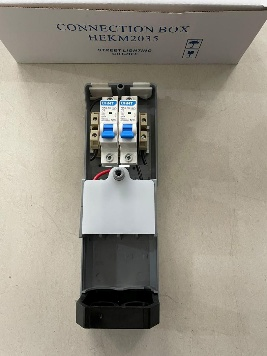
What IP Ratings Mean for Street Lighting Fuse Boxes
How IEC 60529 Defines Protection Against Solids and Liquids
The IEC 60529 standard sets out what we call Ingress Protection or IP ratings through a simple two number system. The first number ranges from 0 to 6 and tells us how well something protects against solid particles like dust, with 6 being completely dust tight. The second number goes up to 9 and measures liquid resistance starting at basic dripping water protection (IPX1) all the way to handling high pressure water jets (IPX5) and even surviving long periods underwater (IPX8). When it comes to those important street light fuse boxes, these ratings make a real difference. An IP65 rated box will keep dust out and stand up to rain or splashing water without issues. But for areas prone to flooding, installers need to go higher. That's where IP68 comes in handy because it means the equipment can keep working properly even if submerged in water for extended periods. This matters a lot when designing infrastructure that needs to withstand extreme weather conditions.
Why Fuse Box Failure in Outdoor Environments Is Often IP-Related
According to recent electrical safety audits, around 70 percent of early failures in street light fuse boxes happen because they don't have enough IP protection. When wind blows dust into these systems, it eats away at contact points and wears down insulation over time. Rain gets inside unsealed areas and creates dangerous short circuits. Coastal cities face another problem too - salt spray speeds up corrosion when enclosures aren't properly sealed with at least IP66 ratings. Getting the IP rating wrong means dealing with all sorts of unnecessary maintenance headaches. A single failed fuse box replacement can drain city budgets by as much as $740,000 each year for labor plus extra costs managing traffic during repairs according to the Ponemon Institute report from last year. That's why matching how tough those enclosures are to what actually happens locally matters so much. We're talking about more than just weather here. Cities need to consider things like dust levels in the air, moisture content, and even potential flooding risks if they want their lighting systems to last without constant breakdowns.
Selecting the Right IP Rating for Fuse Boxes: IP65 vs. IP67 vs. IP68
Choosing the optimal IP rating prevents premature failure, reduces lifecycle costs, and supports safety and smart functionality. All three ratings provide full dust protection (first digit “6”), but differ critically in liquid resistance—each aligned to distinct environmental demands.
IP65: Adequate for Standard Urban Installations with Rain and Dust Exposure
The IP65 rating means equipment stays completely free of dust and can handle water sprayed at it from all angles even when pressure isn't too high. We see this kind of protection working great in city settings like streetlights, those big boxes housing traffic signals, and electrical connections hanging overhead where rain, dust blowing around, and the occasional cleaning with a garden hose matter most. What makes IP65 so popular is that it gives good protection against the elements without costing as much as those fancy waterproof enclosures designed for total submersion. Just keep in mind though that if something gets submerged for even a short time or hit by heavy downpours, IP65 rated gear won't stand up to that kind of punishment.
IP67: Essential for Flood-Prone, Coastal, or High-Humidity Areas
Fuse boxes with IP67 certification can handle being submerged temporarily, about 1 meter deep for half an hour or so. That makes these boxes essential for areas prone to flash floods, along coastlines, and anywhere humidity is consistently high. The tight sealing keeps out salt air from beaches, stops storm surges from getting inside, and prevents groundwater from creeping into those underground electrical lines. We see this rating specified all the time for harbor lights, installations near rivers, and even those smart streetlights in cities where water tends to collect after heavy rains. When Mother Nature throws her worst at us, having equipment that stands up to it matters a lot for keeping things running smoothly through storms and regular seasonal flooding periods.
IP68: When Continuous Submersion or Extended Immersion Is a Design Requirement
The IP68 rating actually means something more than just brief dips in water. It's about being able to stay underwater continuously according to what the manufacturer specifies regarding depth, how long it stays there, and the pressure involved. All this gets tested thoroughly before certification. We design these enclosures specifically for situations where they'll be constantly submerged. Think things like control panels for underwater lights, those smart controllers installed in vaults inside utility areas prone to flooding, or even lighting systems mounted along riverbanks that need to handle regular moisture. Compared to IP67 ratings, IP68 keeps everything working properly even after extended time underwater. This makes all the difference when dealing with environments where water isn't just occasional but something constant and ongoing.
Matching Fuse Box IP Ratings to Real-World Environmental Conditions
Dust, Rain, Splashing, and Temporary Immersion: A Practical Selection Matrix
Selecting the right IP rating requires aligning enclosure performance with site-specific hazards—not general climate assumptions. Under-specification invites corrosion, short circuits, and unplanned outages; over-specification adds unnecessary cost without functional benefit. Use this matrix to guide evidence-based decisions:
| Environmental Condition | Minimum IP Rating | Key Protection Benefit |
|---|---|---|
| Dust-prone areas (deserts, construction zones, industrial corridors) | IP6X | Prevents fine particulate ingress that erodes contacts and compromises insulation |
| Rain, splashing, and wind-driven spray (roadside, coastal, open plazas) | IPX5 or IPX6 | Resists directed water jets during storms and routine cleaning |
| Flash-flood zones or locations prone to temporary ponding | IPX7 | Survives submersion up to 1 m for 30 minutes without loss of function |
For example, coastal municipalities prioritize IP66 or IP67 to mitigate salt spray corrosion, while arid inland cities emphasize IP6X dust sealing. Neglecting this alignment is a leading cause of moisture-related degradation—the top contributor to outdoor electrical failures in street lighting networks.
Beyond IP: Compliance, Safety, and Smart Infrastructure Integration
How IP67-Compliant Fuse Boxes Support EN 60598-2-3 and IEC 61850-9-3 for Smart Street Lighting
Fuse boxes rated at IP67 do two main things: first, they meet all the basic safety requirements for electrical installations, and second, they work well when connected to modern smart systems. The EN 60598-2-3 standard which applies specifically to outdoor lighting equipment sets strict rules about how enclosures must perform during harsh weather conditions. We're talking about protection against rain showers, blowing sand from desert areas, even short periods where water might collect around them. What makes IP67 so valuable is that it has been tested and certified by independent organizations, proving that these boxes can actually handle what they claim to withstand in real world situations.
Smart street lights following the IEC 61850-9-3 standard need constant communication between all components including sensors, control units, and main management systems. When moisture gets in or dust particles find their way into these systems, it messes up the signals pretty badly. This leads to problems like false warnings going off when there's nothing wrong, important faults getting overlooked completely, and the whole smart lighting system just not working as intended anymore. That's why IP67 rated enclosures matter so much. These protective housings keep everything sealed tight even during extreme weather conditions from freezing temperatures to heavy rains, making sure our cities stay properly lit without unexpected failures.
- Real-time fault detection and geolocated outage alerts
- Dynamic dimming and scheduling based on occupancy or ambient light
- Predictive maintenance driven by thermal and current monitoring
Urban resilience studies (2024) confirm that deploying IP67-compliant electrical infrastructure reduces smart system downtime by 30%, demonstrating how foundational ingress protection directly enables safer, more responsive, and future-ready cities.
FAQs
What does an IP rating indicate?
An IP rating classifies the degree of protection provided against solid objects and liquids in electrical enclosures.
Why is IP67 important for fuse boxes?
IP67 provides high-level protection against dust and temporary water immersion, crucial for reliability in challenging environments.
How does IP68 differ from IP67?
IP68 offers extended submersion protection, making it suitable for equipment that needs to operate underwater continuously.