 EN
EN


Why Collector Rings Directly Determine Pivot Irrigation Uptime
Electrical Failure Is the #1 Cause of Unplanned Downtime in Center Pivot Systems
Around 78% of unexpected irrigation system stoppages are caused by electrical issues, which costs farmers about $740,000 every year in lost crops and repair bills according to Ponemon's 2023 report. Collector rings help avoid these problems because they keep the voltage steady while things rotate. The better quality ones cut down on power fluctuations by as much as 78%, per the Agricultural Electrification Association from last year. When farms don't use collector rings, their pivot systems tend to have all sorts of trouble including cables wearing out from constant twisting, sparks flying at connections, and short circuits happening when there's moisture around. Farmers who switched to collector rings saw something amazing happen though: emergency service technicians showed up 94% less often than before when they were still using old fashioned wiring methods.
How Collector Rings Enable Safe, Continuous 360° Rotation Without Cable Damage or Arcing
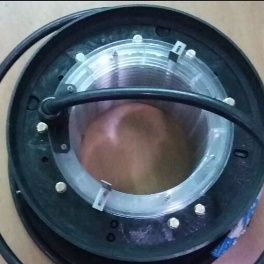
Collector rings—also known as slip rings—transfer power and data between stationary and rotating components via precision-engineered conductive rings and spring-loaded contacts. This eliminates cable strain while supporting Variable Frequency Drives (VFDs), IoT sensors, and remote controls. Key advantages include:
- Unlimited rotation tolerance: Enables unrestricted 360° pivoting without entanglement risks
- Sealed construction: IP67+ rated units block dust and moisture ingress
-
Dual-functionality: Simultaneous power and data transmission for smart irrigation
Field data shows farms using industrial-grade collector rings achieve 30% faster pivot speeds with 87% less maintenance, proving their critical role in operational reliability.
Top 3 Technical Criteria for Reliable Collector Rings in Agricultural Environments
IP67+ Weatherproofing and Corrosion Resistance for Harsh Outdoor Conditions
The center pivot irrigation systems face constant battle against harsh conditions daily. Think about all they have to handle: relentless sun exposure, pesticide treatments, gritty dust buildup, and those high pressure cleaning sessions after harvest season. Collector rings that don't meet at least IP67 standards tend to let water seep in over time, which leads to corrosion issues down the line. This often results in inconsistent signals being sent through the system or worst case scenario total electrical breakdown. Field reports show connectors not properly protected against farm chemicals fail around 40% more frequently than their well-sealed counterparts after just two growing seasons. For anyone looking to invest in reliable equipment, go for collector rings built with marine grade stainless steel casings combined with fluoropolymer seals. These materials stand up better against both chemical reactions and solvents, plus they hold together even when temperatures swing wildly from -40 degrees Celsius during winter freezes to scorching 85 degrees Celsius heatwaves in summer months.
Adequate Current Capacity and Signal Integrity for VFDs, IoT Sensors, and Remote Controls
Today's irrigation systems need reliable power to those variable frequency drives (VFDs) plus constant data transmission for soil moisture sensors and control panels. When collector rings aren't sized properly, voltage drops can happen that either stop motors cold or fry the VFDs altogether. Bad signal quality also leads to drifting sensors that give inaccurate readings. Look for collector rings rated at least 20 to 30 percent higher than what the system actually draws. Most agricultural VFDs run between 10 and 50 amps, so plan accordingly. Gold plating on contact points is worth the extra cost if resistance stays below 10 milliohms. This helps block electromagnetic interference (EMI) that messes up IoT signals. Farmers who upgraded their rings reported way fewer problems with sensors going out of whack after just a few months in the field.
Precision Mechanical Tolerances to Prevent Wobble-Induced Wear and Contact Degradation
When radial play goes over 0.1mm in collector rings, it really speeds up wear problems that can lead to failure. The pivots move around and create those tiny vibrations that slowly eat away at contact surfaces, especially when tolerances aren't tight enough. This creates conductive debris which then leads to arcing issues down the line. Components made with high precision CNC machining (runout below 0.05mm) spread out mechanical stress much better across the system. This kind of manufacturing quality typically means maintenance needs come around 3 to 5 times less often than standard parts. Take ceramic coated bearing rings for instance they show about 90 percent reduction in carbon buildup after going through 10 thousand rotation cycles compared to regular brass bushings. This makes a big difference in keeping contact pressure stable and cutting down on unexpected downtime during operations.
Collector Ring Technology Comparison: Performance, Lifespan, and ROI
Brass/Steel vs. Composite-Housed Collector Rings: MTBF, Maintenance Frequency, and Field Data
What materials get chosen makes all the difference when it comes to how reliable those collector rings are in pivot irrigation systems. Brass and steel have been around forever because they conduct electricity well enough, but these metals just don't hold up against the gritty stuff found on farms. They start wearing down pretty fast, which means farmers need to check them every three months or so. Most last about 6,000 hours before needing replacement. The newer composite options are changing things though. These housings use copper beryllium alloys that actually last around 40 percent longer than regular brass according to research published in the Agricultural Engineering Journal back in 2023. Plus, manufacturers added some special polymers that resist corrosion, making them much better suited for harsh conditions without constant upkeep.
Field performance data reveals stark contrasts:
| Factor | Brass/Steel Rings | Composite-Housed Rings |
|---|---|---|
| MTBF | 6,000 hours | 12,000 hours |
| Maintenance Frequency | Quarterly | Biannual |
| Humidity Resilience | >10 milliohms resistance | <5 milliohms resistance |
| Weatherproof Rating | IP54 | IP67 |
This durability translates to 55% lower annual maintenance costs for composite rings. Their superior moisture resistance prevents voltage fluctuations during irrigation cycles, reducing motor failures by 31% in multi-year field trials. Over five years, composite rings demonstrate 75% lower failure rates—offsetting higher upfront costs through reduced downtime and component replacements.
Installation and Proactive Maintenance Strategies for Long-Term Collector Ring Reliability
Getting the installation right and keeping up with regular maintenance is absolutely essential if we want those collector rings on pivot irrigation systems to last as long as possible. First things first, make sure whatever surface we're mounting them on is really clean, completely flat, and doesn't have any dirt or junk stuck to it. A little bit of dirt can cause serious alignment problems down the road. When putting everything together, don't forget to slap some dielectric grease on there. This stuff creates a barrier against water getting in, which matters a lot in farms where corrosion is always happening. Plus, it helps keep the electricity flowing properly through the system. For maintenance, farmers should set up some kind of regular schedule. Check those connections every few weeks, look for signs of wear or damage, and replace parts before they fail completely. The extra time spent now saves money later when equipment isn't breaking down unexpectedly.
- Conduct quarterly visual inspections for corrosion, carbon tracking, or contact wear
- Perform annual resistance testing to identify deteriorating connections before failure
- Replace rings preventatively every 3–5 years based on operational hours rather than waiting for breakdowns
Maintain an inventory of certified replacement components to enable rapid swaps during seasonal downtime, reducing unplanned outages by up to 70%. This proactive approach cuts long-term maintenance costs by 40% compared to reactive methods while ensuring continuous irrigation coverage during critical growth phases.
FAQ
What are collector rings and how do they work?
Collector rings, also known as slip rings, transfer electrical power and data between stationary and rotating parts using conductive rings and spring-loaded contacts, enabling smooth and continuous rotation without damaging cables.
Why is IP67 weatherproofing important for collector rings?
IP67 weatherproofing prevents dust and moisture ingress, protecting the collector rings from corrosion and ensuring consistent electrical signals in harsh outdoor conditions.
How often should collector rings be replaced or maintained?
It is advisable to conduct quarterly visual inspections and perform annual resistance testing, while rings should be preventatively replaced every 3–5 years based on operational hours.
What are the benefits of composite-housed collector rings over brass/steel rings?
Composite-housed collector rings last longer, require less frequent maintenance, and offer better moisture resistance and weatherproofing compared to traditional brass/steel rings.
Table of Contents
- Why Collector Rings Directly Determine Pivot Irrigation Uptime
- Top 3 Technical Criteria for Reliable Collector Rings in Agricultural Environments
- Collector Ring Technology Comparison: Performance, Lifespan, and ROI
- Installation and Proactive Maintenance Strategies for Long-Term Collector Ring Reliability
- FAQ