 EN
EN


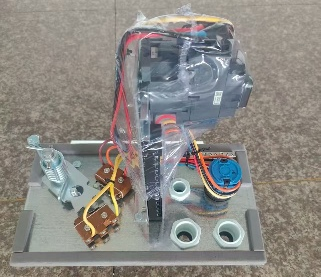
UV and Weather Resistance: Ensuring Long-Term Tower Box Durability
HDPE and PP Materials: UV Stabilization, Thermal Cycling Resilience, and Real-World Aging
HDPE and PP materials have become the go-to choice for building tower boxes these days because their molecular structure just holds up better over time. When manufacturers add those UV inhibitors, they're basically creating a shield against sunlight damage. After spending around 10,000 hours exposed to sun rays, these materials still maintain about 95% of their original strength, which translates to roughly ten years worth of exposure in places with warm climates. What makes these plastics stand out is how they handle temperature changes between -30 degrees Celsius and 60 degrees Celsius without getting brittle. The polymer chains in them flex enough to cope with expansion when hot and contraction when cold. Compared to metal or concrete alternatives, HDPE and PP don't rust or break down when exposed to salt water or chemicals commonly found in farming operations. Real world testing at farms across different regions indicates that HDPE enclosures keep their ability to withstand impacts for well over 25 years, whereas standard steel without any coating tends to fail after about 12 years under similar conditions.
Beyond the Label: Why ASTM G154 Testing Alone Doesn’t Predict 10-Year Field Performance
While ASTM G154 accelerated UV testing provides a useful baseline for material comparison, real-world environmental synergies create failure modes absent in lab settings.
| Lab vs. Reality Gap | ASTM G154 Simulation | Actual Field Impact |
|---|---|---|
| Thermal Stress Cycles | 8-hour cycles | Diurnal + seasonal shifts |
| Moisture Interaction | Controlled spray | Rain, humidity, condensation |
| Mechanical Wear | None | Vandalism, debris impact |
Standard accelerated testing methods often miss the bigger picture when it comes to multiple stress factors working together. Take for instance how UV exposure can cause polymer materials to oxidize, which then leads to increased water absorption right where components attach. Field reports from irrigation districts show something interesting: about one out of five enclosures that pass the ASTM G154 test end up failing after just seven years because their seals break down at weak spots nobody notices during standard testing on flat panels. To really understand if these products will last over time, manufacturers need to go beyond what happens in controlled labs. They should actually inspect hinges and conduits while they're exposed to real world temperature changes and mechanical stresses that no lab can perfectly replicate.
Environmental Sealing: IP-Rated Protection Against Dust, Moisture, and Pests in Tower Boxes
IP66 vs. IP67 Explained: Critical Differences for Irrigation Valve Enclosure Reliability
Ingress Protection (IP) ratings define how well a tower box shields internal components from environmental hazards. For irrigation valve enclosures exposed to rain, dust, or accidental submersion, choosing between IP66 and IP67 is critical:
| Protection Level | Key Capabilities | Ideal Use Cases | Limitations |
|---|---|---|---|
| IP66 | Dust-tight; withstands powerful water jets | Surface installations, heavy rainfall areas | Not submersible |
| IP67 | Dust-tight; survives temporary immersion (30 mins at 1m depth) | Flood-prone zones, valve pits | Not for prolonged submersion |
The IP66 rating works really well in places where there's lots of high pressure water spray, especially when storms bring down heavy rain. Then we get to IP67 which gives extra protection against things like floodwaters or accidents during maintenance work. Factories dealing with lots of dust particles report their equipment lasts around 40 percent longer when they use IP67 rated enclosures because these provide much better protection against tiny particles getting inside. Still worth noting though that even if something has a great IP rating, it won't matter much if the gaskets aren't made properly or if they can't handle temperature changes without breaking down. Poor seal design basically defeats the whole purpose no matter what kind of protection level is claimed.
Wiring Security: Knockout Design and Sealed Conduit Integration in Tower Boxes
Good cable management is essential for avoiding electrical problems when working outdoors. The tower box knockouts can handle various conduit sizes without compromising the box's strength thanks to those specially designed openings that reduce stress on the walls when installing. Once the conduits are inserted, the sealed cable glands form tight compression seals that keep moisture out. Inside, there are also grommets that help take pressure off the connections whenever technicians need to perform maintenance work on the system.
The vibration resistant clamping systems keep wires securely positioned despite thermal expansion stress, which helps prevent both abrasion issues and unwanted disconnections. When it comes to field failures, installation mistakes still top the list. Recent 2023 electrical safety reports indicate that about three out of four moisture problems found in irrigation control boxes actually come down to poor sealing where conduits enter the enclosure. Getting the right amount of torque on those gland nuts matters a lot, as does making sure all parts fit together properly. This attention to detail maintains the enclosure's IP protection rating throughout its entire operational lifespan, something manufacturers should really emphasize during training sessions for installers.
FAQ Section
What are the main materials used for tower boxes and why?
HDPE and PP materials are commonly used for tower boxes due to their durability and ability to withstand UV radiation, temperature variations, and chemical exposure.
What is ASTM G154 testing?
ASTM G154 testing is an accelerated method used to evaluate the UV resistance of materials. However, it may not fully represent real-world performance as it doesn't account for all environmental factors.
What is the difference between IP66 and IP67 ratings?
IP66 is dust-tight and protects against powerful water jets, while IP67 is also dust-tight but can survive temporary immersion in water.
Why is proper sealing important in tower boxes?
Proper sealing prevents moisture ingress, which can lead to electrical issues, and ensures the tower box maintains its effectiveness against the elements.