 EN
EN


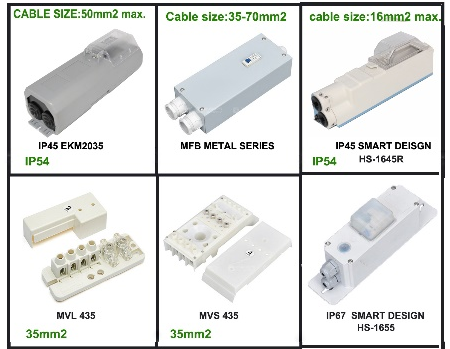
Understanding the Role of Fuse Boxes in Street Lighting Electrical Protection
Modern street lighting systems rely on fuse boxes to balance power delivery and safety in high-traffic public spaces. These components act as critical safeguards against electrical faults that could endanger pedestrians, drivers, and urban infrastructure.
The Function of a Fuse Box in Preventing Overcurrent and Short Circuits in Public Lighting
Street lighting networks rely on fuse boxes to stop dangerous amounts of electricity from flowing through them before anything gets damaged. If there's too much current running through the system because of things like power surges in the grid, bad wiring jobs, or damage from weather events, the special melting part inside the fuse box will give way really fast. This quick action stops problems from spreading out of control. According to research published by NEMA back in 2023, street lights that have proper fuses installed actually face about 64 percent fewer major electrical breakdowns than those without any protection at all. Makes sense when you think about it this way.
Common Electrical Hazards in Street Lighting Near Public Areas and Footpaths
Lighting poles along streets encounter special problems because they sit right next to where people walk and cars drive past. Water getting into them through rain or snow remains a big issue that breaks down insulation over time. According to recent data from NEMA, almost 4 out of every 10 problems with city lights come down to corrosion inside those metal boxes at the base of the poles. There are other dangers too. Poles often get hit by vehicles, especially near intersections or parking areas. Vandalism happens surprisingly often as well. And then there's the electrical side of things when construction crews work nearby and mess with power lines, causing sudden changes in voltage that can damage equipment unexpectedly.
Integration of Fuse Boxes with Street Lighting Pole Systems and Control Devices
Fuse boxes are now typically placed either at the bottom of streetlights or inside special weather resistant boxes so maintenance crews can get to them easily. The boxes work with things like light sensors, time controls, and surge guards to make sure the lights turn on and off properly while still protecting against electrical issues. With modular setups, electricians can swap out just one bad fuse without turning off all the lights in an area. This matters a lot for main roads where people need good visibility even when repairs are happening in parts of the system.
Compliance with Electrical Safety Standards for Outdoor Fuse Box Installations
Meeting IEC, NEC, and Local Code Requirements for Outdoor Electrical Systems
When it comes to outdoor fuse boxes, there are some important standards they need to follow. The IEC 61439-3 standard deals with making sure these boxes can handle tough environmental conditions, while the NEC Article 410 focuses specifically on keeping public lighting safe. What does this mean in practice? Well, basically the enclosures have to survive pretty extreme temperatures ranging from as cold as -40 degrees Celsius all the way up to +55 degrees Celsius. Plus they need proper protection against dangerous arc flashes. And let's not forget about local building codes either. Many areas actually add their own requirements on top of these national standards. Take coastal communities for instance where salt air is constantly attacking equipment. In those places, extra measures are usually required to combat corrosion caused by all that moisture and salt content in the atmosphere.
Standards and Regulatory Requirements for Fuse Box Enclosures
IP (Ingress Protection) and NEMA ratings define enclosure durability. A minimum IP55 rating prevents dust and water ingress, while NEMA 4X certification ensures corrosion resistance in coastal or industrial areas.
| Rating | Protection Level | Ideal Use Case |
|---|---|---|
| IP55 | Limited dust/water resistance | Sheltered urban areas |
| IP66 | High-pressure water/dust resistance | Exposed roadside poles |
| NEMA 4X | Salt fog/corrosion resistance | Coastal installations |
Ensuring Operational Safety Through Certified Designs
Certified fuse boxes reduce fire risks by 34% compared to non-compliant models (NFPA 2023). Third-party certifications like UL 67 validate dielectric strength (>2.5 kV) and leakage current limits (<0.5 mA), essential for urban zones where vandalism and extreme weather coexist. Modular designs meeting ISO 9001 simplify upgrades to smart lighting systems without compromising legacy infrastructure.
Sizing and Load Management: Matching Fuse Boxes to LED Street Lighting Demands
Sizing Fuse Boxes Based on Number of Lamps and Circuit Load Requirements
Getting the right size fuse box starts by figuring out how much power all those LED lights on each pole will draw. Take a standard setup with six 100 watt LED bulbs, that's around 600 watts total. Most electricians actually suggest going for at least 20 or maybe even 25 percent extra capacity though. Why? Because electricity isn't always stable and weird things happen with harmonics sometimes. When dealing with poles that handle more than one circuit, like both lights and security cameras, it makes sense to install separate 10 amp over 230 volt fuses for each section. This helps contain problems if something goes wrong somewhere specific instead of blowing everything at once.
Matching Fuse Ratings to LED Load Demands and Managing Inrush Currents
When LED drivers start up, they can pull inrush currents that spike as much as ten times their normal operating level for around 100 milliseconds. This means electricians need to install time delay fuses that handle at least 125% of what the system normally draws. Looking at recent data from the 2023 Urban Lighting Efficiency Report, almost a third (about 35%) of all street light failures happen because regular fuses blow when these cold start surges hit them unexpectedly. Most professionals in the field have shifted toward dual element fuses with 20kA breaking capacity for dense LED installations these days. These specialized components offer better protection against those sudden power demands without overcomplicating the electrical setup too much.
Hybrid Protection Systems Combining Fuses and Residual Current Devices (RCDs)
Modern systems pair 6A–16A slow-blow fuses with 30mA RCDs to address both overcurrent and ground faults. This configuration reduces shock risks near pedestrian pathways while maintaining arc-flash protection:
| Protection Type | Fuse Function | RCD Function |
|---|---|---|
| Overload | Interrupts sustained overcurrent | Monitors imbalance |
| Short Circuit | Breaks fault current in <0.1s | N/A |
| Ground Fault | N/A | Disconnects circuit in <40ms |
Comparison Between Traditional Fuse Boxes and Modern Devices (RCDs, Circuit Breakers)
Traditional ceramic fuse boxes might save around 30% initially, but when looking at the big picture, those smart circuit breakers equipped with IoT monitoring actually cut down on maintenance expenses by about 60% across ten years. Most new electrical setups these days go for magnetic hydraulic breakers because they can be reset multiple times and work well with modern smart grid systems. Still worth mentioning though, regular fuses haven't gone away entirely. They're still needed in situations involving really high fault currents where getting exact measurements of current flow through time becomes absolutely critical for system protection.
Design and Durability: Environmental Resistance and Long-Term Reliability
Design Considerations for Weatherproofing, Corrosion Resistance, and Durability
Street light fuse boxes need to handle all sorts of weather conditions from heavy rain to extreme temperatures. Good weather protection means having enclosures with angled tops so water doesn't collect on top, plus sealed joints that meet either IP66 or NEMA 4X standards. For places where corrosion is a big problem, manufacturers often go with special coatings like powder coated aluminum or grade 304 stainless steel. These materials really stand up to salt air near coasts and pollution in busy city centers. According to recent research published last year, when companies switched to these protective materials, they saw their maintenance schedules drop by around 35% compared with regular steel boxes left unprotected.
Materials and Protection Ratings for Outdoor Electrical Enclosures
Today's fuse boxes are built to last thanks to smart material choices that strike the right balance between durability and strength. The outer casing often features high impact polycarbonate which stands up well against both UV light damage and physical impacts from everyday wear and tear. Many models now come equipped with stainless steel hinges specifically designed so they won't freeze up when temperatures drop below freezing point. When it comes to weather protection, enclosures with at least an IP66 rating do a great job keeping out dust particles and standing up to powerful water jets - something that proves invaluable during heavy rainstorms or hurricanes. In areas where climate extremes are common, manufacturers have started incorporating hybrid designs that pair polymer bases with stainless steel fasteners. This combination helps reduce the risk of galvanic corrosion that can occur when different metals come into contact over time.
Lifespan and Operational Safety of Fuse Boxes in Harsh Urban Environments
When we talk about durability, it's not just about what something is made of but how well it stands up during actual use. City fuse boxes face all sorts of challenges daily - constant vibrations from passing traffic, temperature changes throughout the day, and sometimes even accidental bumps from vehicles parking too close. According to stress tests conducted on these systems, those with extra strong mounting brackets plus special padding inside last roughly 40 percent longer when installed near busy roads where shaking is constant. Checking seals and making sure terminals are tight remains important work every year according to standards set out in document IEC 60529. This regular maintenance helps stop dangerous electrical arcs and can keep equipment running for over fifteen years in many places. Good engineering makes a big difference too. Well designed enclosures cut down on replacement expenses by around half within ten years while keeping people safe from potentially hazardous exposed parts that might otherwise cause problems if damaged.
Security, Accessibility, and Future-Proofing for Smart Street Lighting Integration
Balancing Maintenance Accessibility with Public Safety in Fuse Box Placement
Getting the location right for fuse boxes means finding a spot where technicians can reach them easily without putting pedestrians at risk. When these units are placed along sidewalks, it makes sense to install lockable covers that sit around 1.8 meters off the ground or higher. This height helps prevent random folks from messing with them but still lets trained personnel get inside using regular equipment they already have. According to research published by UL Solutions last year, about one out of every five problems with public infrastructure in cities actually comes down to outdoor electrical boxes that weren't properly secured against interference.
Tamper-Proof and Anti-Vandalism Features for Public Infrastructure
Modern fuse boxes incorporate reinforced polycarbonate enclosures with stainless-steel latches, reducing vandalism risks by 63% compared to traditional designs (Electrification Infrastructure Report 2024). Tamper-evident seals and IP66-rated ingress protection prevent unauthorized access while complying with NEC Article 314.29 for outdoor electrical enclosures.
Scalable and Modular Fuse Box Designs for Smart City Expansion
Modular fuse boxes are becoming essential for smart city developments because they allow easy installation of IoT sensors and wireless communication components right into existing infrastructure. According to industry forecasts, about 45 percent of street lights in cities worldwide should be connected to smart grids by 2028. This means current fuse systems need to manage around 30 amps for basic lighting needs but also leave about 20% extra space ready for things like air quality sensors or electric vehicle charging stations down the road. The good news is many manufacturers now produce cross compatible designs that fit standard DIN rails, making it much easier to upgrade alongside newer residual current devices and networked circuit breakers without major rewiring headaches.
FAQ
Why are fuse boxes important for street lighting systems?
Fuse boxes are critical components in street lighting systems, as they provide protection against overcurrents and short circuits, preventing electrical hazards that could harm pedestrians and infrastructure.
How do fuse boxes prevent electrical hazards in public areas?
Fuse boxes can quickly interrupt the flow of electricity during faults, preventing damage and reducing the risk of electrical hazards near pedestrian pathways and urban infrastructure.
What standards must outdoor fuse boxes comply with?
Outdoor fuse boxes must adhere to the IEC 61439-3 and NEC Article 410 standards, which ensure robustness against environmental conditions and public safety. Local codes may also impose additional requirements.
What is the impact of certified fuse boxes on safety?
Certified fuse boxes significantly reduce fire risks and dangers associated with extreme weather, vandalism, and other urban challenges, promoting safety and reliability in public lighting systems.
How do modular fuse boxes support smart city growth?
Modular fuse box designs allow easy integration of IoT sensors and communication devices, facilitating the expansion of smart street lighting systems without extensive infrastructure modifications.
Table of Contents
- Understanding the Role of Fuse Boxes in Street Lighting Electrical Protection
- Compliance with Electrical Safety Standards for Outdoor Fuse Box Installations
-
Sizing and Load Management: Matching Fuse Boxes to LED Street Lighting Demands
- Sizing Fuse Boxes Based on Number of Lamps and Circuit Load Requirements
- Matching Fuse Ratings to LED Load Demands and Managing Inrush Currents
- Hybrid Protection Systems Combining Fuses and Residual Current Devices (RCDs)
- Comparison Between Traditional Fuse Boxes and Modern Devices (RCDs, Circuit Breakers)
- Design and Durability: Environmental Resistance and Long-Term Reliability
- Security, Accessibility, and Future-Proofing for Smart Street Lighting Integration
- FAQ