 EN
EN


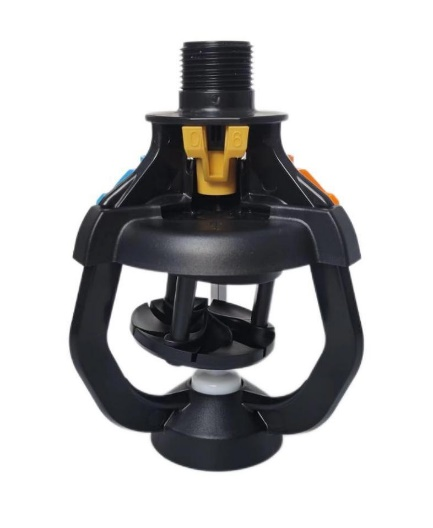
Why Uniformity Matters: The Agronomic and Economic Impact of Non-Uniform Irrigation
Uniform water distribution on farms matters far beyond just numbers on an engineering spec sheet. It actually affects how well crops grow, how efficiently resources get used, and ultimately what kind of profit farmers can expect. Fields where water gets applied unevenly create problems everywhere. Parts that don't get enough water end up with stressed plants and lower harvests, while sections getting too much waste precious energy, flush out valuable nutrients from the soil, and open doors for diseases to spread. Studies indicate that when sprinklers aren't properly calibrated, yields drop somewhere between 15 to maybe even 30 percent because different spots in the same field have wildly varying moisture levels. That translates into serious money losses for individual fields. From a financial standpoint, poor irrigation practices can push pumping expenses higher by around 25 percent. Farmers also tend to apply more fertilizer than needed in these situations since they're trying to make up for all those nutrients being washed away from overly soaked areas.
The Iwob-2 sprinkler addresses these challenges through precision engineering. Its stable droplet distribution minimizes dry spots and pooling, delivering three measurable benefits:
- Higher effective rainfall utilization, reducing reliance on supplemental irrigation
- Lower input costs for energy, labor, and agrochemicals
- More consistent crop quality, supporting premium market access
When crops get consistent moisture levels, they don't go through those stressful on-off cycles that weaken their defenses against diseases. Take cotton fields as an example. Fields where water distribution was below 80% uniform saw almost double the problems with boll rot compared to fields where irrigation was even across the board. From a money standpoint, improving water distribution by just 10 percentage points can boost profits between 6 to 9 percent. Why? Because better water management protects crop yields while cutting down on wasted resources. Farmers who focus on getting water distributed evenly throughout their fields are actually working at the intersection of plant biology and smart engineering. This kind of attention to detail isn't just good for plants it's becoming essential for making farming both profitable and environmentally responsible in today's market.
Measuring Uniformity: CU, DU, and SCâWhat Each Metric Reveals About the Iwob-2 Sprinkler
Coefficient of Uniformity (CU): How Iwob-2 achieves â¥92% under standard pivot conditions
Coefficient of Uniformity, or CU for short, basically tells farmers how evenly their water spreads across fields. The Iwob-2 model has been getting CU readings above 92% in regular center pivot installations, which beats the 85% mark most people consider really good for farm irrigation. Why does this happen? Well, these sprinklers come with specially designed nozzles that keep water droplets going straight instead of bouncing around, so less water disappears into thin air and more actually gets down to the roots where it matters. Some testing was done on twelve different pivot systems located in dry areas last year. Farmers saw about a seven percent boost in crop yields when they switched from older systems that only hit below 85% uniformity according to research published in Irrigation Science Journal back in 2023.
Distribution Uniformity (DU) and Scheduling Coefficient (SC): Why Iwob-2 reduces water over-application by up to 24%
Distribution Uniformity, or DU for short, basically measures how evenly water gets spread across a field, specifically looking at the bottom quarter compared to what's average throughout the whole area. Meanwhile, the Scheduling Coefficient tells us just how much additional water needs to go into those drier spots to keep everything balanced. The new Iwob-2 system achieves an impressive DU rating of around 84 percent and maintains an SC value of approximately 1.19. These numbers translate to better control when planning irrigation schedules and significantly reduces wasted water application by roughly between 18 to 24 percentage points compared to older sprinkler systems still in use today. What makes this possible? Let's take a look at some important factors behind these improvements.
- Low-pressure operation (2.8â3.5 bar), producing fine, uniform droplets
- Wind-resistant flow patterns that maintain DU >80% even at 5 m/s wind speed
Optimizing SC translates directly to cost savings: farmers reduce pumping expenses by $11â$17 per acre annually while fully meeting crop water demands [FAO Water Reports, 2024].
Iwob-2 Sprinkler Performance in Diverse Field Conditions
Soil-Specific DU Gains: +12â27% vs. legacy rotary sprinklers across loam, clay, and sand
The Iwob-2 system shows real improvements in how evenly water gets distributed throughout different kinds of soil. Tests done in actual fields have shown distribution uniformity gains ranging from around 12% to as much as 27% when compared with old school rotary sprinklers working on loamy ground, heavy clay soils, and even sandy areas. What this means practically is farmers can cut back on wasted water by approximately 18% to 24% across fields where conditions vary from spot to spot. The way it works involves tiny droplets that adjust themselves based on how quickly each type of soil absorbs moisture. This helps reduce surface runoff problems on those stubborn clay patches while also preventing too much water from sinking too deep into sandy spots that drain quickly.
Wind Resilience: Consistent DU >88% at 3 m/s wind speed due to low-pressure (2.8â3.5 bar), fine-droplet design
Operating at 2.8â3.5 bar, the Iwob-2 sustains DU above 88% in winds up to 3 m/sâoutperforming legacy systems, which typically lose 15â30% uniformity under the same conditions. Its optimized droplet spectrum and trajectory minimize wind drift, allowing reliable irrigation scheduling during moderate wind events without coverage gaps or resource waste.
Deploying the Iwob-2 Sprinkler for Optimal Uniformity: Practical Selection & Layout Guidelines
Getting those uniformity improvements from the Iwob-2 really comes down to three main factors: picking the right nozzles, controlling pressure properly, and designing the layout correctly. When farmers get the nozzle size wrong, either going too big or too small, they can actually lose around 19% in distribution uniformity. That's a significant drop. The key is matching nozzle specs to what kind of soil we're dealing with and how much water crops actually need. Most manufacturers have these handy reference charts showing things like needing about 3 bars of pressure for sandy soils. As far as spacing goes between sprinklers, triangular arrangements tend to work better than squares because the spray patterns overlap more effectively. This helps counteract water drifting at the edges of fields and keeps distribution above 87% even when working on hillsides or uneven ground.
When dealing with wind conditions, some adjustments need to happen ahead of time. For normal wind speeds below 3 meters per second, keeping about 50% overlap between nozzles works well. That means if the spray can reach 24 meters, the nozzles should be spaced around 12 meters apart. If the wind gets stronger though, cut down on that spacing by roughly 15 to 20 percent, or consider adding some sort of wind barrier. The pressure settings matter too. Stick to the recommended range for the Iwob-2 system, somewhere between 2.8 and 3.5 bars. Lower pressure helps reduce water loss through evaporation and allows those tiny droplets to get deeper into compact soil. Farmers who have switched report saving about 24% more water compared to old style rotary systems, which makes sense when looking at how much waste those traditional methods create.
Key Deployment Checklist:
- Nozzle & Pressure: Validate against manufacturer chartsâpressure deviations directly degrade DU
- Spacing: Use triangular layout with â¤50% wetted diameter overlap; compress intervals where wind exceeds 3 m/s
- Maintenance: Clean nozzles biweekly to prevent clogging-induced uniformity loss
Following these guidelines unlocks the Iwob-2âs full potential: sustained DU >88% can reduce seasonal water use by 1.2 megaliters per hectareâboosting both yield consistency and operational resilience.
FAQ
What is the Coefficient of Uniformity (CU)?
CU or Coefficient of Uniformity is a metric used to determine how evenly water is distributed across fields by an irrigation system. A higher CU signifies a more efficient and uniform distribution of water.
How does Distribution Uniformity (DU) impact irrigation?
Distribution Uniformity (DU) measures how evenly water is spread across a field, impacting crop yield and resource utilization. Higher DU reduces the need for excessive irrigation, saving water and costs.
Why is controlling pressure important in irrigation systems?
Controlling pressure is crucial as it affects water droplet formation and the consistency of water distribution. Proper pressure settings prevent water loss through evaporation and ensure thorough soil saturation.
How does the Iwob-2 Sprinkler improve efficiency in windy conditions?
The Iwob-2 Sprinkler maintains a consistent Distribution Uniformity even in wind speeds of up to 3 m/s due to its fine-droplet design and low-pressure operation, minimizing wind drift and coverage gaps.
What are the cost benefits of using the Iwob-2 Sprinkler?
Farmers using the Iwob-2 Sprinkler can reduce pumping expenses by $11–$17 per acre annually and save about 24% more water compared to older systems, enhancing yield consistency and operational efficiency.
Table of Contents
- Why Uniformity Matters: The Agronomic and Economic Impact of Non-Uniform Irrigation
- Measuring Uniformity: CU, DU, and SC—What Each Metric Reveals About the Iwob-2 Sprinkler
- Iwob-2 Sprinkler Performance in Diverse Field Conditions
- Deploying the Iwob-2 Sprinkler for Optimal Uniformity: Practical Selection & Layout Guidelines
- FAQ