 EN
EN


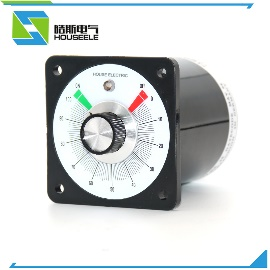
What Is a Percentage Timer and Why It Matters for Smart Water Management
Defining Percentage Timer Functionality vs. Traditional Fixed-Duration Controllers
Percentage timers change how long irrigation runs based on what's actually happening outside. They scale watering time up or down by certain percentages depending on factors such as current weather conditions, how wet the soil already is, or measurements of evapotranspiration. Traditional systems just stick to fixed schedules no matter what, but these smart timers adjust as needed. Take high humidity days for instance they might cut back watering to around 80% of normal. During those intense heat spells? The system could boost it to about 110%. Moving away from fixed timing to this kind of responsive approach helps save water, keeps plants healthier, stops soil washing away, and maintains good looking landscapes without either drowning them or letting them dry out completely.
How Evapotranspiration (ET)-Driven Adjustment Enables Dynamic, Site-Specific Water Budgeting
Evapotranspiration, or ET for short, measures how much water disappears from soil through evaporation plus what plants give off during transpiration. It's actually one of the best inputs available when it comes to managing irrigation systems dynamically. Modern percentage timers pull in daily ET numbers from reliable places like CIMIS in California or NOAA data to figure out exactly what each specific location needs. The thing is, ET rates change depending on what crops are growing, how much shade they provide, and even small differences in climate across fields. That's why this method allows for real water budgeting. Take a vineyard somewhere arid for example these days. The system makes adjustments based on what the vines themselves are experiencing physiologically rather than just going by some general rulebook. When farmers use ET driven timers, their water gets applied according to what the atmosphere actually demands at any given moment. This means saving water becomes something that can be measured accurately and done consistently over time.
Ensuring Seamless Integration: Protocol Compatibility and Infrastructure Readiness
Matching Communication Standards: Modbus, 4–20mA, Wi-Fi, and Cloud API Requirements for Reliable Percentage Timer Deployment
Getting things working right depends heavily on whether different systems can talk to each other, not just if individual components work well alone. For serious industrial applications, most setups use Modbus TCP when controllers need to communicate directly with one another. Sensors typically connect through 4-20mA signals since they resist interference better than digital alternatives. Real time updates from weather stations usually go over Wi-Fi networks or cellular connections depending on location constraints. And for collecting data from multiple zones, manufacturers often turn to secure cloud interfaces like MQTT or HTTPS protocols. Industry insiders know that mismatched communication standards cause problems in about three out of four failed installations. Before putting anything into place, check carefully if current equipment already handles necessary functions such as Modbus holding registers for percentage adjustments, proper voltage ranges for analog inputs, and encryption during initial cloud connections. Skipping these steps leads to expensive fixes later on and makes it impossible for timers to distribute water according to scheduled plans across all linked devices consistently.
Calibrating Percentage Adjustments: From Climate Data to Field-Validated Scheduling
Translating Local ET Data (e.g., CIMIS, NOAA) into Practical 10–90% Adjustment Ranges
Percentage timers take those official ET measurements and turn them into actual commands for the irrigation system, usually adjusting run times somewhere between 10% and 90% of what's normally scheduled. For instance, when there's only 0.4 inches of evapotranspiration recorded on a chilly overcast day, the timer might cut back by around 60%. But if we see 0.8 inches during a hot spell, expect maybe a 20% boost in watering time. The reason this range matters is because going too low risks leaving plants thirsty, while pushing past 90% often points to equipment limits rather than genuine need. These numbers aren't just pulled out of thin air either. They've been fine tuned based on how much moisture has actually left the soil and what plants typically absorb, so any changes made stay within safe bounds but still get the job done properly.
Real-World Validation: 27% Average Water Reduction in Central Valley Orchards Using Dynamic Percentage Scheduling
The field results speak volumes about what actually works. Orchards throughout California's Central Valley saw their water usage drop by around 27% on average when they switched to those ET-based percentage timers, and guess what? Their crop yields stayed exactly the same according to research published in Irrigation Science last year. Looking at the soil moisture data tells another story too. Those adjustable timers with settings ranging from 10 to 90 percent really handled those little climate changes happening right there in the orchard rows. They beat out the old school fixed time systems hands down because those just didn't account for what was actually going on with temperature, humidity and all those other factors changing minute by minute.
| Adjustment Factor | Water Savings | Implementation Complexity |
|---|---|---|
| 10–30% Range | 8–12% | Low (basic ET integration) |
| 30–70% Range | 15–22% | Medium (sensor calibration) |
| 70–90% Range | 25–30%+ | High (full site validation) |
Table: Correlation between percentage adjustment ranges and verified water conservation outcomes in agricultural settings.
Programming Precision: Key Features That Maximize Percentage Timer Effectiveness
The real power behind percentage timers comes down to their programming abilities, which turn weather data into actual watering decisions. Better quality models come with easy-to-use controls that let growers set schedules in small increments like 5% steps between 10% and 90%. They also sync live with sources like CIMIS or NOAA for evapotranspiration readings, plus remember different settings for various seasons or stages of plant growth. These systems can spot problems fast too, catching things like broken pipes or faulty valves almost instantly. Some high end versions even use smart math to change watering levels ahead of time based on what the weather is expected to do next, rather than just looking at past conditions. Farmers who set them up properly report saving over 30% compared to old school timed systems according to a study from UC Cooperative Extension back in 2022. And best part? The soil stays moist where it counts most without stressing out the crops.
Evaluating ROI: When a Percentage Timer Delivers True Value – and When It Doesn’t
Beyond 'Smart' Labels: Avoiding Over-Engineering – Lessons from Municipal Retrofit Projects
Looking at what happens during municipal retrofits reveals something important about irrigation timers. The percentage based ones tend to give the best return on investment only when they're actually needed for complex situations. Take those small parks with just one type of grass and consistent soil throughout. Advanced percentage timers there usually don't perform as well as people hope. Cities across the Midwest have seen this happen time and again. Some places ended up spending 18% more on maintenance while saving almost no water compared to their old basic controllers. Where these advanced systems really shine is in areas that need careful management. Think about landscapes with different plants, properties facing water restrictions, or spots with distinct microclimates where evapotranspiration rates change a lot. Before making any decisions though, it makes sense to do some math first. Compare how much water might be saved versus what it will cost for equipment, setup, and training staff. If it takes longer than three years to recoup expenses or if weather patterns stay pretty steady around there, sticking with simpler controllers that get regular maintenance generally works out better over time.
FAQ
What is a percentage timer in irrigation systems?
A percentage timer adjusts the irrigation schedule based on external factors like weather conditions and evapotranspiration rates, allowing for more efficient water usage compared to traditional fixed-duration controllers.
How does a percentage timer use evapotranspiration data?
Percentage timers use ET data to modify irrigation schedules dynamically, ensuring that the water applied meets the specific needs of the environment and plants at any given time, hence optimizing water conservation.
What are the communication standards required for a percentage timer system?
To effectively deploy a percentage timer system, communication standards like Modbus, 4–20mA connections, Wi-Fi, and cloud APIs are typically required to ensure seamless integration and reliable data transmission.
Is it worth investing in a percentage timer for a small park with uniform grass?
For areas with uniform vegetation and consistent soil, investing in a percentage timer may not offer significant benefits. It's more advantageous in complex landscapes where conditions vary greatly and dynamic adjustments are necessary.
Table of Contents
- What Is a Percentage Timer and Why It Matters for Smart Water Management
- Ensuring Seamless Integration: Protocol Compatibility and Infrastructure Readiness
- Calibrating Percentage Adjustments: From Climate Data to Field-Validated Scheduling
- Programming Precision: Key Features That Maximize Percentage Timer Effectiveness
- Evaluating ROI: When a Percentage Timer Delivers True Value – and When It Doesn’t
- FAQ