 EN
EN


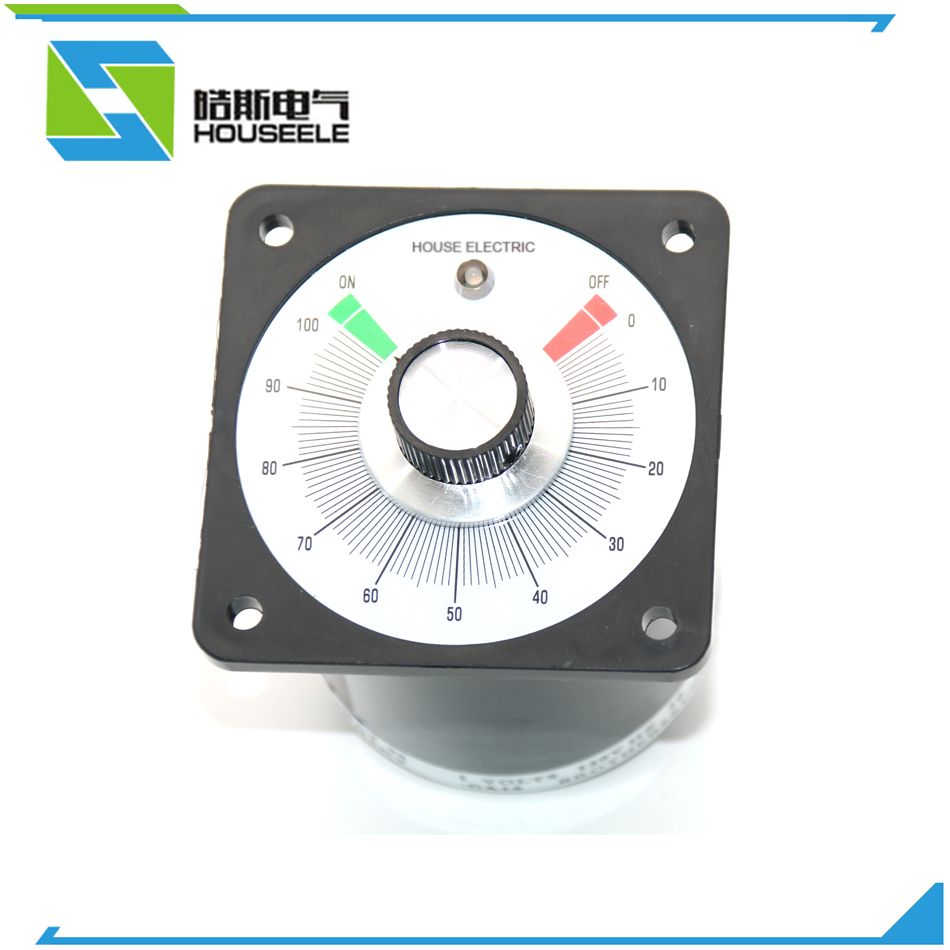
What Is a Percentage Timer—and Why It’s Essential for Water-Smart Irrigation
How percentage timers dynamically scale runtimes (e.g., 70% of baseline) instead of fixed minutes
Percentage timers transform irrigation from static scheduling to responsive water management—scaling runtimes proportionally to real-world conditions rather than relying on fixed-minute programs. For example, if your summer baseline is 30 minutes per zone, setting the timer to 70% automatically reduces runtime to 21 minutes during cooler, wetter periods. This adjustment isn’t guesswork: it’s driven by continuous input from soil moisture sensors, local weather data, and evapotranspiration (ET) models. Unlike traditional controllers—which deliver identical volumes whether skies are clear or saturated—percentage timers modulate output incrementally, preserving root-zone hydration while avoiding runoff and leaching. As demonstrated in a 2023 landscape water use study, this responsiveness cuts unnecessary watering frequency by 19% during high-rainfall seasons without compromising plant health.
The water waste gap: Why traditional controllers over-irrigate by 20–35% in variable climates
Fixed-schedule irrigation controllers waste significant water—not because they’re poorly designed, but because they lack environmental awareness. UC Davis research (2022) found these systems over-irrigate by 20–35% in climates with pronounced seasonal variation, applying full-volume cycles regardless of recent rainfall, humidity, or soil saturation. This rigidity leads directly to surface runoff, nutrient leaching, and higher utility costs—especially in Mediterranean zones where annual precipitation swings exceed 300%. Percentage timers close this gap by intelligently compressing or extending runtimes using verified environmental inputs, delivering only the water plants actually need, when they need it.
Matching a Percentage Timer to Your System’s Physical and Hydraulic Requirements
Zone capacity, valve load, and wiring topology compatibility
Before installing a percentage timer, confirm your controller can handle the total electrical load of all valves operating simultaneously. Overloaded circuits or undersized wiring cause inconsistent valve actuation and premature failures. Calculate combined amperage across all zones—most residential solenoids draw 0.2–0.4 amps each—and ensure your timer’s output rating exceeds that sum. Standard low-voltage (24V AC) controllers suit typical residential installations; industrial or large-scale commercial systems may require 120V units with integrated relay modules to manage higher loads safely.
Pressure and flow thresholds: Preventing solenoid failure below 30 PSI or above 15 GPM/zone
Operational reliability depends on staying within hydraulic limits. Maintain consistent water pressure between 30–80 PSI: below 30 PSI, solenoid valves may fail to seal fully, causing leaks or incomplete shutoff; above 80 PSI risks diaphragm stress and accelerated wear. Similarly, restrict flow to no more than 15 GPM per zone—exceeding this threshold increases turbulence and mechanical strain on internal components. Install pressure regulators where supply pressure fluctuates widely, and use flow control valves to balance high-volume zones. Always consult manufacturer specifications before programming runtime percentages, as exceeding hydraulic tolerances undermines even the most intelligent scheduling logic.
Smart Programming Features That Maximize Percentage Timer Efficiency
Multi-cycle scheduling and adjustable start times for runoff prevention and deep-root hydration
Single, prolonged irrigation cycles often waste water—especially on slopes, clay soils, or compacted turf—where infiltration lags behind application rate. Percentage timers support “cycle + soak” programming: splitting total runtime into multiple short bursts separated by dry intervals. This allows water to percolate deeply, recharging root zones while minimizing surface runoff and erosion. Pairing this with pre-dawn start times (e.g., 4 AM instead of midday) further improves efficiency—UC Riverside (2023) found early-morning irrigation reduces evaporative loss by 15–30%, aligning delivery with peak root uptake windows and nocturnal dew retention.
Seasonal adjustment: Auto-scaling runtime percentages using local ET data (CIMIS, NOAA, or on-site sensors)
True adaptive irrigation hinges on evapotranspiration (ET)—the combined loss of water from soil evaporation and plant transpiration. Percentage timers integrate real-time ET data from authoritative sources like California’s CIMIS network or NOAA’s National Weather Service to auto-adjust runtimes daily. Peer-reviewed findings published in the Journal of Irrigation Science (2022) show such integration reduces summer overwatering by 20% while preventing spring under-irrigation. Where regional ET data isn’t available—or where microclimate variability demands greater precision—on-site soil moisture sensors provide direct, threshold-based feedback, enabling dynamic ±25% runtime adjustments grounded in actual site conditions.
Calibrating and Integrating ET Data for True Site-Specific Water Budgeting
Connecting real-time evapotranspiration feeds: Modbus/4–20mA vs. cloud API integration workflows
Accurate, site-specific water budgeting requires precise calibration of ET data—not just to regional averages, but to your landscape’s unique soil type, slope, exposure, and plant canopy. Two proven integration pathways exist: hardware-level protocols like Modbus or 4–20mA analog signals, and cloud-based APIs. Modbus enables direct, wired communication with on-site weather stations or soil sensor arrays—ideal for remote or low-connectivity sites where reliability trumps real-time updates. Cloud APIs, meanwhile, pull validated ET values from services like CIMIS or NOAA, offering broader climatic context and automatic model updates—but depend on stable internet connectivity. While Modbus suits permanent, sensor-rich installations, APIs offer agility for rapidly evolving landscapes or multi-site portfolios. Whichever method you choose, both convert raw ET metrics into actionable runtime percentages—ensuring every drop supports plant health, not excess.
FAQ
What is a percentage timer in irrigation systems?
A percentage timer dynamically adjusts irrigation runtimes based on real-world conditions, such as soil moisture, weather, and evapotranspiration (ET) data. This ensures that plants receive the appropriate amount of water without overwatering.
How does a percentage timer prevent excessive irrigation?
Percentage timers auto-scale runtimes by continuously analyzing environmental inputs, such as rainfall and humidity. They can reduce or extend irrigation schedules proportionally, minimizing runoff and nutrient leaching while optimizing hydration.
What are the advantages of using percentage timers over fixed-schedule controllers?
Fixed-schedule controllers apply the same irrigation volume regardless of external conditions, leading to water waste. In contrast, percentage timers adapt delivery for more efficient, responsive irrigation based on environmental data.
Do percentage timers require additional hardware or sensors?
Yes, percentage timers often integrate with soil moisture sensors, weather stations, and ET data sources like CIMIS or NOAA. These integrations provide the data necessary to adjust runtimes accurately.
What factors should I consider before installing a percentage timer?
Key considerations include electrical load capacity, wiring topology, water pressure (30–80 PSI), flow thresholds (≤15 GPM/zone), and compatibility with environmental data sources.
Table of Contents
- What Is a Percentage Timer—and Why It’s Essential for Water-Smart Irrigation
- Matching a Percentage Timer to Your System’s Physical and Hydraulic Requirements
- Smart Programming Features That Maximize Percentage Timer Efficiency
-
Calibrating and Integrating ET Data for True Site-Specific Water Budgeting
- Connecting real-time evapotranspiration feeds: Modbus/4–20mA vs. cloud API integration workflows
- FAQ
- What is a percentage timer in irrigation systems?
- How does a percentage timer prevent excessive irrigation?
- What are the advantages of using percentage timers over fixed-schedule controllers?
- Do percentage timers require additional hardware or sensors?
- What factors should I consider before installing a percentage timer?