 EN
EN


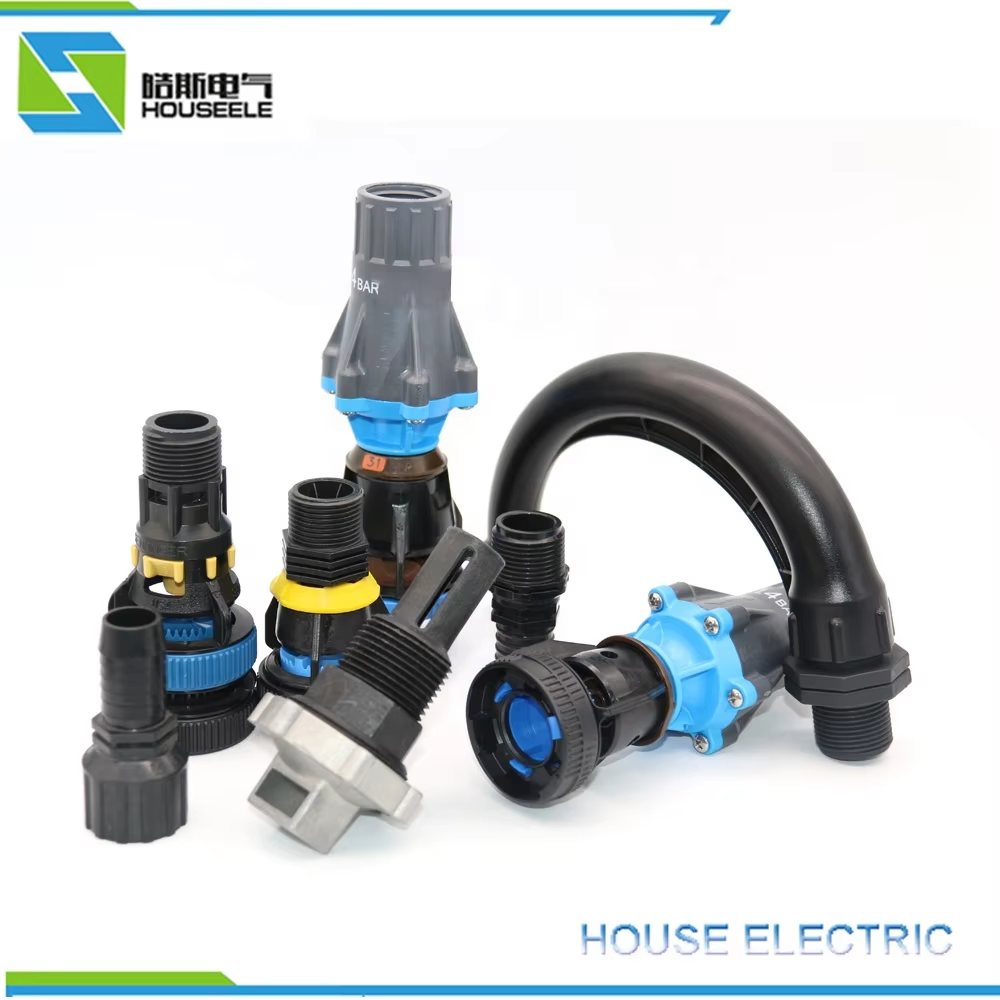
How Drain Valves Work: Core Mechanism and System Integration
Pressure-Differential Activation and Fail-Safe Passive Operation
Drain valves operate through pressure-differential activation, opening automatically when system pressure drops below a predetermined threshold—typically during pump shutdown. This passive, hydraulic fail-safe requires no external power and functions reliably even during outages. As pressure decays, internal diaphragms or springs release, enabling full water evacuation. Critically, this design prevents backflow contamination and ensures drainage initiates without human intervention. Field studies in California’s Central Valley show properly calibrated valves reduce residual water by 92% compared to manual systems, significantly limiting pathogen habitats (UC Davis Irrigation Report 2022).
Strategic Placement in Valley VRI Zones for Gravity-Assisted Evacuation
Optimal drain valve placement leverages topography to maximize gravity-assisted evacuation. In Variable Rate Irrigation (VRI) systems, technicians install valves at lateral line termini and low-elevation junctions—positions that enable complete drainage within 4 minutes post-irrigation. This is especially effective in clay-heavy soils prone to waterlogging. For example, in San Joaquin Valley almond orchards, valves spaced every 400 feet along 0.5% slopes achieved 98% evacuation efficiency. Key placement principles include:
- Prioritizing zones with <1% slope gradients
- Avoiding elevation spikes near pump stations
- Aligning with drainage sumps in laser-leveled fields
Drain Valve Timing and Flow Control for Uniform Irrigation
Sequential Drain Activation Synced with Pump Shutdown and Pressure Decay
Modern drain valves initiate drainage within 15–30 seconds after pump shutdown, using pressure decay as the primary activation trigger. This precise timing prevents hydraulic shock while allowing residual water to exit pipelines gradually. As pressure falls below 2–3 psi, valves open sequentially—from highest to lowest elevation—a staged approach essential for maintaining structural integrity in HDPE laterals. Field data shows this method reduces water hammer risk by 72% compared to simultaneous drainage, while ensuring full lateral evacuation within standard irrigation cycle windows.
Mitigating Stagnant Residual Water in Low-Slope Laterals
In valley topography with slopes under 0.5%, drain valves combat stagnation through optimized orifice sizing and strategic placement. Valves installed at lateral termini create unimpeded gravity-assisted flow paths, evacuating 98% of residual water within 4 minutes post-irrigation. This eliminates anaerobic breeding grounds and prevents mineral sedimentation—the primary contributor to the 7–9% gains in Distribution Uniformity (DU) observed across Central Valley pivot systems. Computational fluid dynamics modeling confirms that properly calibrated valves reduce biofilm accumulation by 60% in low-gradient zones compared to undrained systems.
Quantifying Water Efficiency Gains from Drain Valves
7–9% Improvement in Distribution Uniformity (DU) Across Central Valley Pivot Systems
Field studies of modern irrigation pivots in California’s Central Valley confirm that automatic drain valves improve Distribution Uniformity (DU) by 7–9% compared to non-drained systems. This gain arises directly from eliminating residual water pooling in lateral lines between cycles—ensuring consistent pressure distribution during subsequent runs. For growers, this translates to measurable reductions in water and fertilizer use per acre without compromising yield. The improvement holds across varied topography and crop types when valves are correctly calibrated and maintained.
Balancing Orifice Size: <0.8 psi Pressure Loss vs. <4.5-Minute Lateral Evacuation
Optimizing drain valve performance hinges on precise orifice sizing to balance two competing demands:
- Minimal Operational Impact: Orifices must limit pressure loss to under 0.8 psi during active irrigation to avoid unnecessary pump strain.
- Rapid Drainage: Laterals must fully evacuate within 4.5 minutes post-shutdown to prevent stagnation in low-slope zones.
Smaller orifices conserve pressure but delay drainage; larger ones accelerate evacuation but risk destabilizing system pressure. Engineering best practices recommend iterative field testing—guided by local slope, pipe diameter, and material—to identify the optimal orifice size. Prioritizing gravity-assisted flow dynamics ensures reliable winterization, uniform soil saturation, and long-term energy efficiency.
Drain Valves in Winterization: Preventing Freeze Damage Responsibly
Calibrating Dwell Time to Avoid Vacuum Collapse in HDPE Laterals
Properly timed drainage is essential for preventing freeze damage. When temperatures fall below freezing, residual water expands by ~9%, generating enough force to rupture pipes and fittings. Drain valves mitigate this by evacuating water during system shutdown—but in HDPE pipelines, overly rapid drainage can induce negative pressure strong enough to collapse pipe walls (vacuum collapse). Calibrating dwell time—the interval between pump shutdown and valve closure—is therefore critical. It ensures complete gravity-assisted drainage while keeping internal pressure above HDPE’s collapse threshold of 0.5 bar. Field experience indicates optimal dwell periods of 45–90 seconds for standard 6-inch HDPE laterals. This synchronization prevents both ice-related ruptures and structural deformation, delivering robust, electricity-free freeze protection.
FAQ
What is the primary mechanism behind drain valves?
Drain valves primarily operate using pressure-differential activation. They open automatically when system pressure drops below a certain threshold, usually during pump shutdown, requiring no external power.
Where should drain valves be placed in irrigation systems?
Strategic placement is key. Valves should be installed at low-elevation junctions and lateral line termini to facilitate gravity-assisted evacuation, especially in zones with <1% slope gradients.
How do drain valves prevent hydraulic shock?
Drain valves open sequentially, starting from the highest to the lowest elevation, ensuring gradual drainage. This staged approach minimizes hydraulic shocks and protects structural integrity.
How do drain valves improve water efficiency in pivot systems?
They eliminate residual water pooling, improving Distribution Uniformity (DU) by 7–9%, which leads to more consistent pressure distribution and reduced water and fertilizer consumption.
Why is calibrating dwell time important for winterization?
Calibrating dwell time ensures drainage occurs without inducing vacuum collapse in HDPE pipes. It balances complete drainage with maintaining internal pressure above safe thresholds to prevent freeze-related damage.