Daqiao Industrial Zone,Beibaixiang Town,Yueqing city,Zhejiang Province. 0086-577-62059191 [email protected]
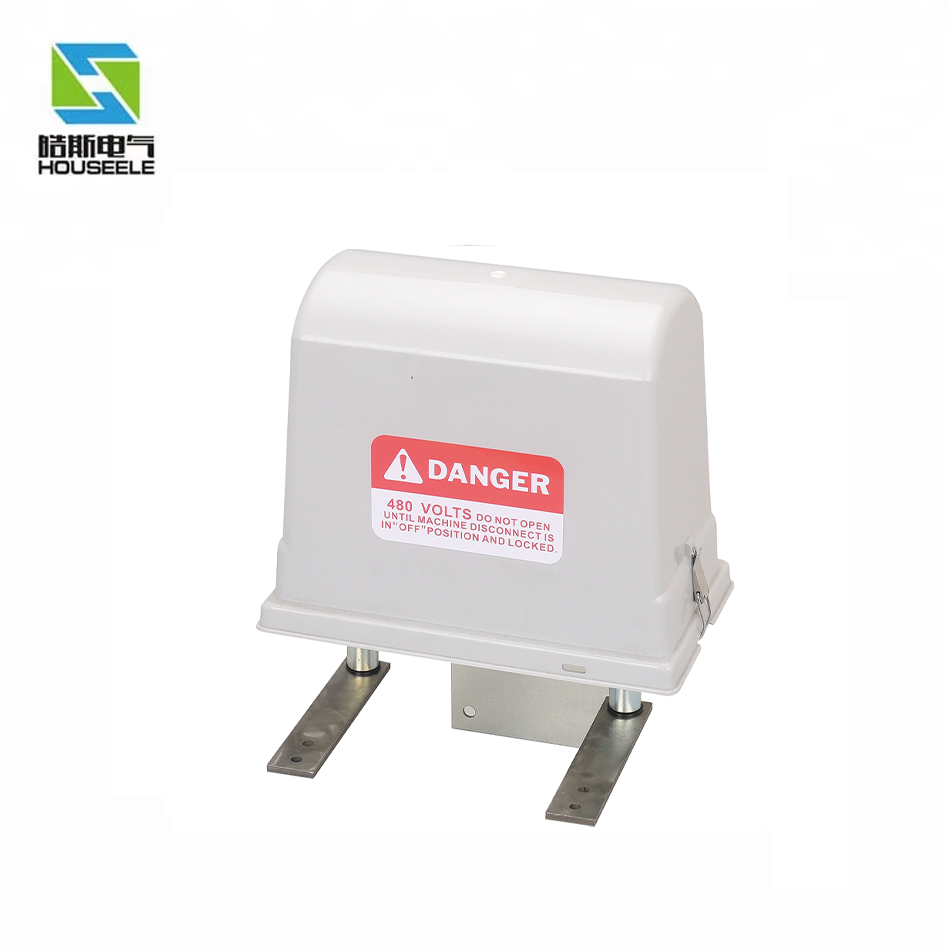
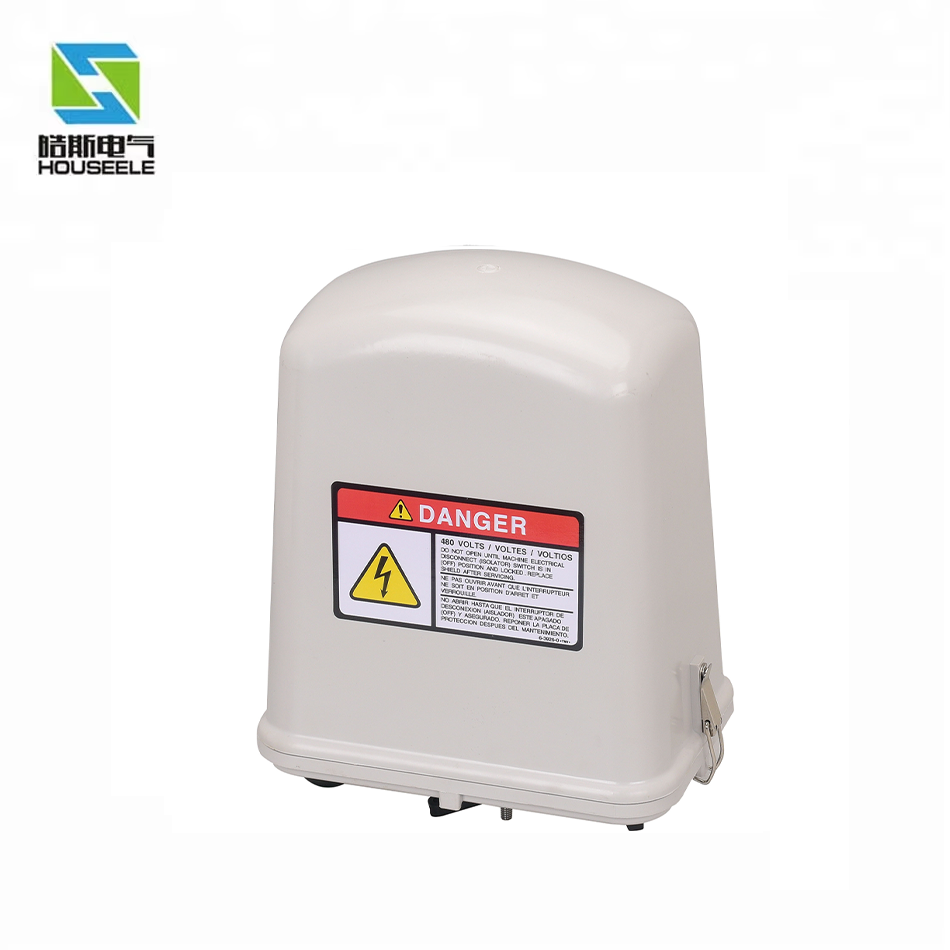
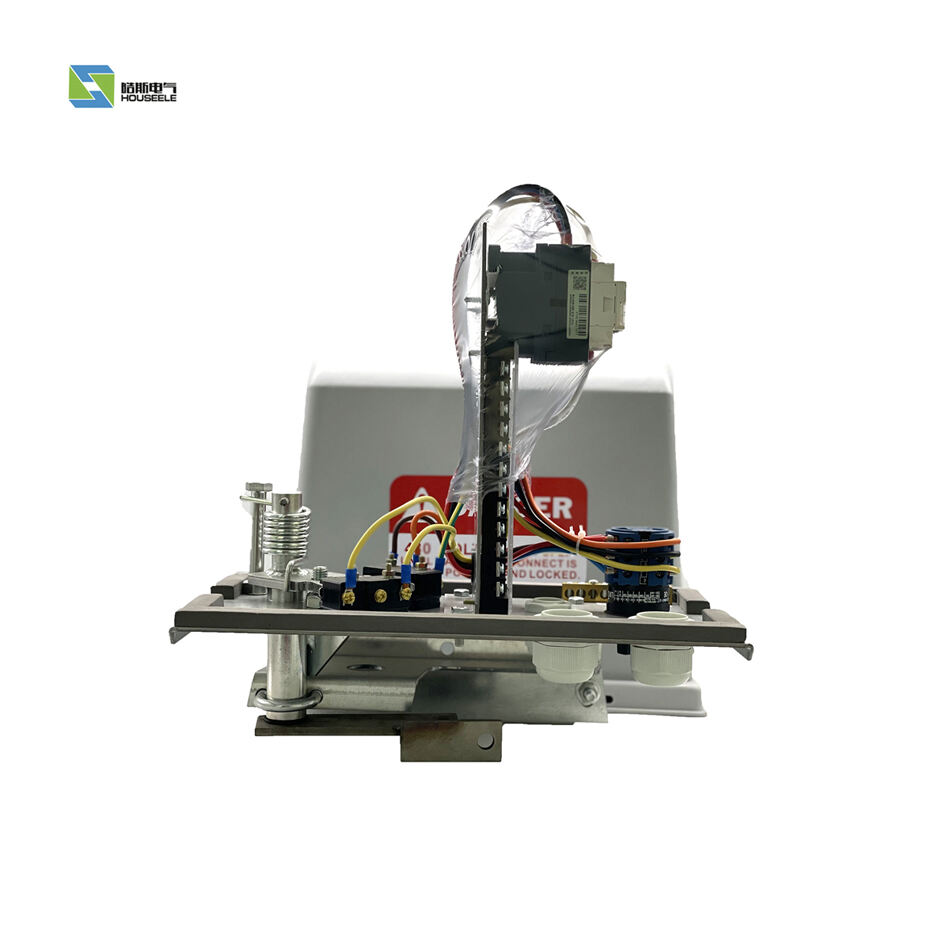
A tower box spring is a fundamental yet highly functional component within tower box assemblies, playing a crucial role in storing and releasing mechanical energy, providing force, and ensuring the proper operation of various mechanical systems. Structurally, tower box springs are typically made from high - quality spring steels, such as carbon steel or stainless - steel alloys, which offer excellent elasticity, durability, and resistance to fatigue. They can be designed in various shapes, with the most common being helical springs, which are wound into a coil shape. The design of the spring, including its wire diameter, coil diameter, and number of coils, is carefully calculated based on the specific requirements of the application, such as the amount of force needed, the stroke length, and the operating environment. Functionally, tower box springs serve multiple purposes. In many mechanical systems, they act as a source of restoring force. For example, in a tower box - based locking mechanism, the spring provides the force to keep the lock engaged until a specific action, such as turning a key or pressing a button, releases it. In some cases, tower box springs are used to absorb shocks and vibrations, protecting the other components within the tower box from damage. They can also be used to maintain tension in cables or belts, ensuring smooth operation of the system. The performance of a tower box spring depends on its proper installation and alignment. If the spring is not installed correctly, it may not function as intended, leading to reduced performance or even system failure. Additionally, the operating environment can significantly impact the lifespan of the spring. Springs used in harsh environments, such as those with high humidity or exposure to chemicals, may require additional protection, such as coatings or seals, to prevent corrosion. Maintenance of tower box springs involves regular inspections for signs of wear, deformation, or corrosion. Springs that show signs of fatigue, such as cracks or permanent deformation, should be replaced immediately to avoid potential failures. Lubricating any moving parts associated with the spring, if applicable, can also help reduce friction and extend its lifespan. By ensuring the proper condition of tower box springs, the overall reliability and efficiency of the systems they are part of can be maintained.
Copyright © 2025 by Yueqing House Electric Co.,Ltd - Privacy policy